Key takeaways
-
By replacing static legacy tools with Lucid, teams achieve immediate ROI by reclaiming hundreds of hours that were previously wasted on outdated interfaces.
-
Lucid transforms documentation from a manual chore into a seamless part of your workflow by using customizable templates and living documents that evolve organically as you work.
-
Lucid connects directly to the applications your team already uses, so you can build and update visuals with live data instead of manual entry.
-
A global tech company, an auto manufacturer, and a top bank are just a few examples of companies that have saved significant amounts of time with Lucid.
Business is more fast-paced than ever, and productivity isn’t just about doing more—it’s about doing more faster and more efficiently. The tools organizations use are key to their ability to build more quickly. Legacy tools often lead to fragmented workflows and wasted time through manual updates, administrative overhead, and a schedule full of endless meetings.
Lucid gives organizations time back by centralizing collaboration, automating documentation, and streamlining communication.
From global auto manufacturers to national health agencies, see how businesses are leveraging Lucid to save hundreds of hours and accelerate their most critical initiatives.
Saving time compared to legacy tools
Looking for immediate ROI? Try transitioning from static software to a dynamic visual collaboration solution.
When teams move away from legacy tools to Lucid, they save time that was previously lost to locating resources and connecting data between different workflows.
As a real-world example, consider a global auto manufacturer whose business and operations team saves 90+ hours each month by shifting the evaluation of their technology tool stack from PowerPoint to Lucid. Their enterprise architects save 140 hours per project and are 5x more efficient standardizing on Lucid than they were in Visio. Plus, when maintaining and updating their documentation in Lucid, their teams saved more than 95% of their time on average as compared to the same process in legacy tools.
A national public health agency found its project management team is 75% faster at creating roadmaps and diagrams in Lucid than the same process in Visio, and a defense contractor team saved 12+ hours of administrative work by centralizing information in Lucid’s built-in presentation tools, eliminating PowerPoint synthesis.
A display of Lucid's Presentation Mode, turning content on a virtual whiteboard into a slide deck effortlessly with a few clicks.
Saving time on documentation
If documentation isn’t accurate or accessible, what’s the point of it in the first place? For many organizations, the manual effort required to create and maintain documentation is a drain on resources. Lucid streamlines this by using dynamic templates and centralized living documents that evolve organically with the project, so creating documentation is not an additional step.
Here are several examples of businesses that have saved significant amounts of time to spend on other high-value projects and innovation because of Lucid:
-
A worldwide, top-five SaaS provider has saved two weeks per two-month project across a team of 500 by adopting standard and custom templates, cumulatively saving thousands of hours.
-
A global tech company cut the time to document processes by 75%, saving approximately 67.5 hours of manual work each month.
-
A major SaaS security and authentication provider uses Lucid to visualize complex processes and distribute documentation to the go-to-market org. Lucid saves the team about 260 hours annually.
-
A financial services company has eliminated hundreds of hours of wasted time by ensuring documentation is correct, up-to-date, and organized.
-
The enterprise architecture team at Devoteam has found that diagrams that used to take two days to create now take only 30 minutes in Lucid—a 96% time savings.
Saving time with automation and data integration
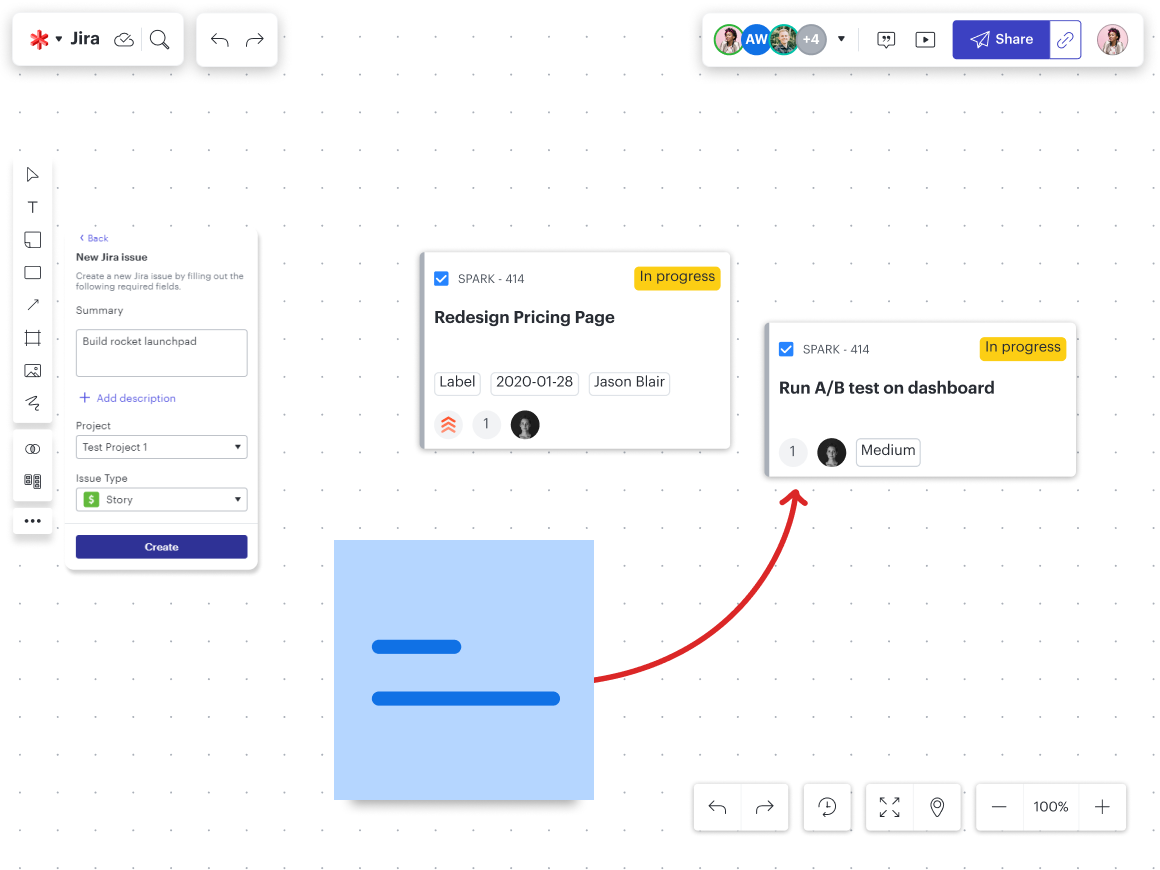
Lucid’s ability to integrate with existing tech stacks and the applications your team already uses, such as Jira or AWS, allows teams to automate the creation and updating of complex visuals. If you’re looking to save time, start by letting the data do the work.
Here are five companies that have automated and saved time through Lucid:
-
Top global bank
By implementing a data-backed org chart visualization solution, this bank is on track to save approximately 1,000 hours annually.
-
Global auto manufacturer
The IT leadership team replaced a six-week manual build of system architectures with an automated update that now takes just 20 minutes, saving 240 hours per diagram build.
-
Top global athletic brand
Using Lucid’s data linking capabilities, enterprise architects reduced the time to update diagrams from a full week to just two minutes, making the process 600x faster. Scrum leads are 30x faster during planning sessions, and enterprise architects saved 75% of time creating ERDs by using Lucid.
-
A state agency
Integrating Lucid Cards for Jira reduced quarterly planning time and mitigated 100% of ongoing tracking work by providing real-time insights into progress. This, combined with other Lucid-powered initiatives, represents a monthly time savings of 214 hours that can now be reallocated to other critical tasks.
-
Insurance agency
The HR director saved hundreds of hours previously lost to manual spreadsheet management by implementing Lucid’s API integration with Workday.
Saving time on meetings
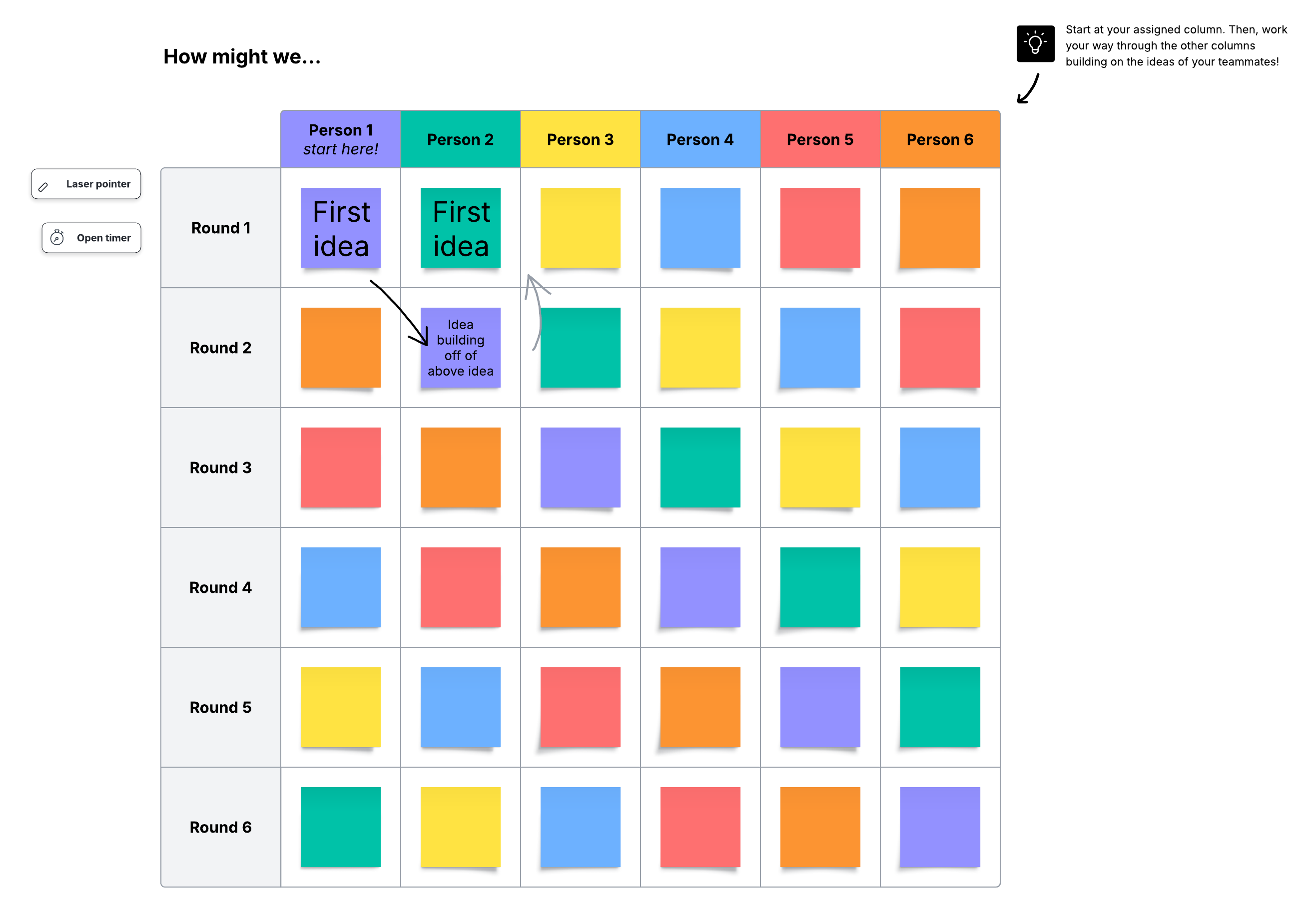
More meetings don’t automatically equate to increased productivity. In fact, meetings are often a source of wasted time and energy with little output. By shifting to asynchronous brainstorming and collaboration, Lucid users are significantly shortening—or eliminating—unnecessary syncs.
For example, a top global pharmaceutical company shifted to hybrid strategy sessions in Lucid. As a result, the IT leadership team saved 200 hours, representing over $25,000 in reclaimed value.
A power tool manufacturer reported that switching to visual team planning saves the infrastructure team 360 hours of meetings each quarter, and Agile teams have reduced meeting time for agile events by 50%.
A major SaaS security provider’s sales operations team moves 3x faster by hosting brainstorming sessions in Lucid, saving 500+ hours annually.
Last but not least, a top global bank shared that replacing recurring one-hour meetings with asynchronous brainstorming in Lucid saved 80 hours of synchronous time.
Stop wasting time and start building with Lucid
The numbers speak for themselves. Lucid helps teams save time by:
-
Providing templates to kick-start your projects
-
Integrating documentation into the flow of work
-
Leveraging data-driven automation to create complex visuals
-
Eliminating unnecessary meetings through asynchronous collaboration
Whether you’re standardizing your architecture, automating your data, or reclaiming your calendar from unnecessary meetings, Lucid provides the framework to work faster and smarter.

Ready to see how much your team can save? Contact our sales team to learn how we can support your business outcomes.
Talk to sales