
Key takeaways
-
An Agile product owner’s primary goal is to maximize product value by maintaining a dynamic, prioritized backlog that aligns the team’s daily work with business objectives.
-
Product owner responsibilities include various tasks, such as managing the product backlog, prioritizing needs, evaluating feedback, and participating in Scrum events.
-
Some of the biggest challenges for product owners include dealing with a lack of information, difficulty in forecasting delivery and prioritization, and aligning teams.
Product owners are at the center of every effort to create and deliver value to customers. But what activities are they actually involved in?
Although a product owner’s role can vary depending on the environment, they typically have several key roles and responsibilities that cover everything from business strategy to product design. They are responsible for maximizing the product and business value through continuous product backlog management.
In this blog post, we will review the key roles, responsibilities, and challenges of a Scrum product owner.
What is a product owner?
You may be wondering: Exactly what does a product owner do? At the most basic level, the Agile product owner is the person who is accountable for representing the customer to a Scrum team and maximizing the value of the products created by a Scrum team.
How a product owner maximizes product value often varies across teams and organizations.
Product owner role
In order to effectively maximize the value of a product, the Agile product owner is involved in a variety of functions, including business strategy, product design, market analysis, and aspects of project management. One day, a product owner will need to access their deep well of market knowledge to strategize and present their vision to stakeholders. On another day, they will need to get hands-on in collaborating with the team in order to meet their sprint goals.
6 key product owner roles and responsibilities
1. Communicating the vision
The Agile product owner collaborates with stakeholders to create a clear vision of the product they wish to develop and to communicate that product vision consistently. Everyone needs to be on the same page in order to work together effectively.
2. Managing the product backlog
One of a Scrum product owner’s responsibilities is managing the product backlog. This includes developing and communicating the product goal, creating and clearly communicating product backlog items, and ordering the backlog to maximize business value. The product backlog isn’t a static to-do list, though. It is a live document that should be continually updated as a team’s understanding of the product evolves.
3. Prioritizing needs
Another key role of the product owner is to prioritize needs. In other words, they must juggle scope, budget, and time, weighing priorities and making trade-offs according to the needs and objectives of stakeholders. If the product owner doesn’t have the authority to make these decisions, there is a risk of deviating from the roadmap, bloating the product, and overwhelming the team.
4. Participating in Scrum events
With the vision, strategy, and product priorities in place, the product owner should dedicate a significant amount of time to collaborating with the team on the product. They are a key participant at the Scrum events, including sprint planning, sprint reviews, sprint retrospectives, and product backlog refinement.
5. Acting as the liaison between teams and stakeholders
The product owner is the primary communicator and link between stakeholders and teams. As such, they must be expert communicators, ensuring buy-in from stakeholders on all major decisions and strategies, and providing clear instructions and deliverables for the developers. A successful Scrum product owner will also be an expert at understanding and anticipating the client’s needs to mitigate issues and solve problems proactively.
6. Evaluating feedback at each iteration
Because the product owner is accountable for the final product, they take a primary role in inspecting and evaluating product progress through each iteration. The product owner gathers feedback at each iteration and adjusts the product backlog accordingly.
What are the different types of product owners?
According to Roman Pichler, an expert in product management, the generic term “product owner” is used to describe six distinct product management roles.
1. Scrum product owner
The product owner is responsible for maximizing the value of the final product. The only way to do that effectively is if you own the product in its entirety. If you only own one component of the product, that’s the only part you’ll be able to maximize. The traditional Scrum product owner is responsible for ensuring that all components and features come together to create a product that offers value to customers.
2. Feature owner
A feature is a part of a product that provides value to a customer, such as an update to the user interface, new functionality in the product, or performance enhancements.
A feature owner is responsible for maximizing the value of a specific feature. The feature owner could be the product owner who oversees the product in its entirety, or it could be another member of the product development team who works closely with the product owner and the developers.
3. Component owner
A component is an element of a larger object or system. For example, you might take your car to a mechanic to have its brake pads checked. A brake pad is a component of a brake, and a brake is a component of the car.
A component owner is a member of the development team who is responsible for the quality and value of individual aspects of a product. They ensure the quality and functionality of each.
4. Platform owner
A platform is a collection of technologies that work together as a base for use by other applications and technologies. The individual in this role must be a technical expert on the platform to effectively collaborate with and advise the product development team.
5. SAFe product owner
The Scaled Agile Framework (SAFe) is a set of procedures and practices designed to scale Agile methodologies for large organizations and enterprises. The SAFe product owner works with product management, other product owners, stakeholders, and customers to define tactical aspects of the product, such as user stories and product details. They act as the voice of the customer, ensuring that needs and expectations are met.
6. Portfolio owner
A portfolio is a collection of documents, work, or other assets. A portfolio owner is the person responsible for a specific portfolio. They are tasked with managing, updating, and improving all of its associated products.
7 biggest pain points for product owners
With so many moving parts to keep track of, it’s no surprise that product managers have their fair share of challenges to manage, overcome, and balance. Here are some of the most common pain points Agile product owners face and tips to overcome them.
1. Lack of information
Data and information are the lifeblood of a product owner’s work. Without key customer data, market research, and user information, product owners and developers are working in the dark to develop successful products. In other words, without good data to inform your decisions, it’s difficult to move forward strategically or accurately.
The short answer to this problem is, of course, more research. If you don’t have the information you need to analyze and create robust customer stories and strategies, work with stakeholders to get access to more data.
2. Poor prioritization
Product owners often struggle to keep priorities clear, especially when needs change in the middle of a sprint. Edge cases (which have a lower impact, occur infrequently, or have feasible workarounds) can distract you from higher impact features, so it’s important to get prioritization right from the start.
So how can product owners ensure sprints remain focused and strategic from beginning to end? One way is to define story point priorities early on based on your product and business strategies. As you consider various user stories, put a higher priority on those that will have the broadest positive impact on your customer base. Consult with other stakeholders to get consensus upfront so that everyone is on the same page going into your next sprint.

3. Forecasting delivery
Forecasting deliverables is one of the biggest product owner challenges. There are so many variables and unknowns to consider that it’s nearly impossible to predict an accurate delivery timeline.
One of the most effective ways to nail your forecast is to develop a strong product roadmap. Your roadmap will help you outline a release plan that includes all the work to complete that feature, such as analysis, design, development, and testing. Additionally, you can use the shared knowledge of your Agile team to discuss expected timeframes for each component of the sprint.
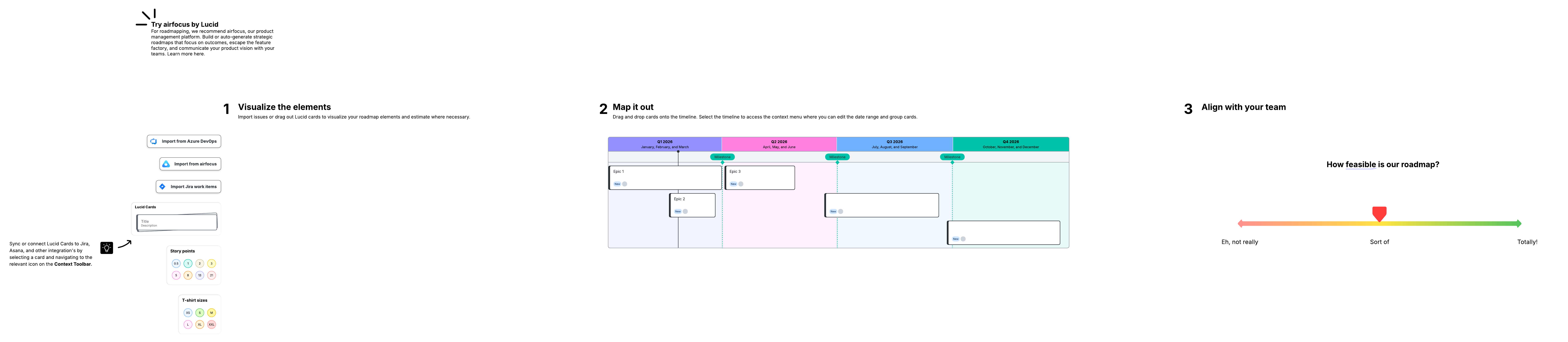

Easily build clear product roadmaps with airfocus.
Learn more4. Aligning teams
Most products typically have at least two or three stakeholders in addition to the product owner. These stakeholders often have different objectives and priorities for the product, which can lead to competing visions for the project’s direction (and the expected timeline for delivery). Additionally, Agile development requires collaboration across teams and functions, which can make communication and buy-in on strategy and emerging changes a challenge.
Achieving alignment requires product owners to clearly communicate at every stage and reinforce the value of the work throughout the development process. Take advantage of your roadmap to illustrate your plans and strategy, and check in with stakeholders regularly to update them on progress and changes.
5. Overwhelming product backlog
One of the main responsibilities of product owners is managing the product backlog and ensuring that it is visible, transparent, and clear to all stakeholders and developers. If your developers don’t have access to backlog information and updates, you risk misalignment on goals, accountabilities, and deadlines.
Your product backlog acts as your guide and anchor throughout development so that you always know what to focus on and when tasks are due. A product backlog is especially important for ensuring your team develops products strategically rather than reactively. A backlog requires continual refinement so your list of work items is well understood and manageable.

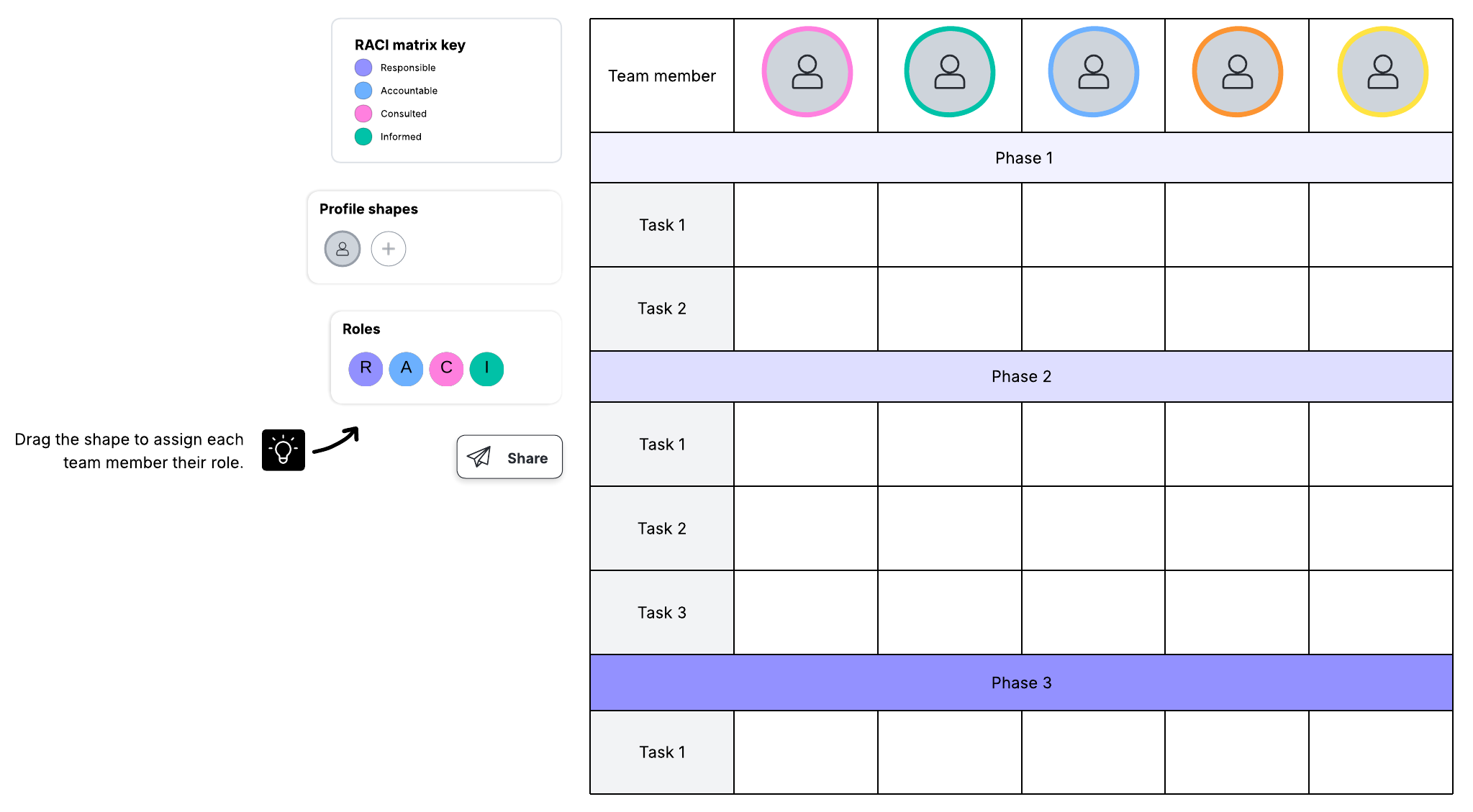
6. Managing multiple stakeholders
Whenever you’re working with multiple people—especially from cross-functional teams—there is opportunity for miscommunication and misalignment. Miscommunication can lead to costly delays in development, unclear priorities, and wasted time.
Your role as a product owner includes managing these competing perspectives and priorities by setting expectations and maintaining clear communication throughout development. By communicating early and often (and documenting plans and responsibilities), you can keep everyone on the same page.
7. Decision fatigue
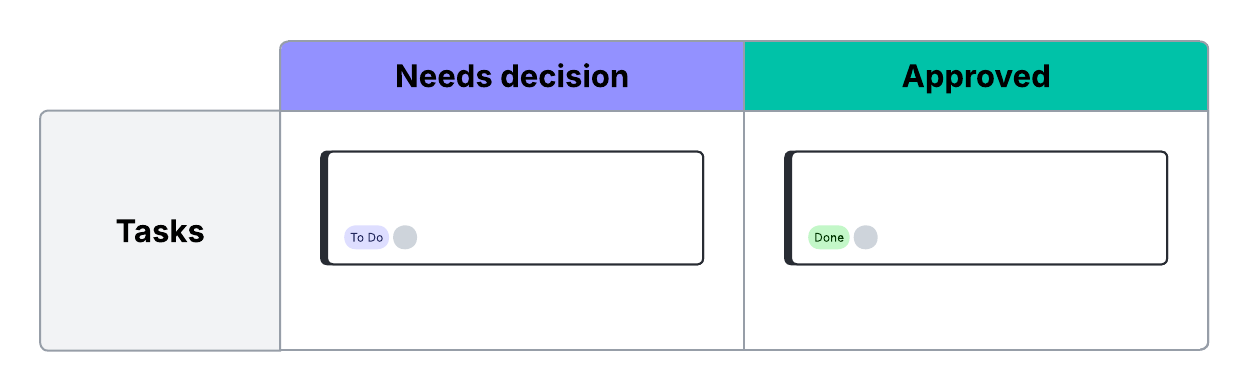
Decision fatigue is one of many product owner challenges. They often get asked to handle too many choices in a short amount of time. Agile development is all about flexibility and strategic adaptation—but this also means decisions have to be made frequently to handle new information, evolving needs, competing stakeholder priorities, and frequent questions and clarifications from team members throughout the day.
While decision-making will always be part of the gig, product owners can alleviate some of the burden. Make sure you take regular breaks, seek advice from trusted leaders and co-workers, and weigh your options strategically.
Product management isn’t easy. Product owners have to be strong communicators, effective bridge-builders, and always adaptive to changing needs and priorities. It’s a balancing act, but with the right tools and support, they can navigate these pain points and deliver world-class products again and again.
Lucid can help by transforming ambitious product visions and fragmented feedback into clear, interactive visuals. Lucid helps product owners ensure that every stakeholder, from engineering to executive leadership, is aligned and moving in the same direction.

Explore all the ways Lucid can support your Agile team.
Go now