
Strategy and tactics: In everyday conversation, the terms are often used interchangeably to describe how to win in sports, warfare, or business.
But once you take a closer look at strategy vs. tactics, it becomes easier to understand their similarities and differences. Both are key to helping your business better track their progress and achieve success.
What is the difference between strategy and tactics?
An easy and memorable way to understand the difference between strategy and tactics is this:
A business and its employees must think strategically and then act tactically.
Here are some other distinctions between strategy and tactics:
- Strategy: A plan to achieve a goal is strategy. Tactics: Actions taken to achieve that goal
- Strategy: Difficult to change once it's set in motion. Tactics: Easy to adjust depending on changing circumstances.
- Strategy defines tactics and not the other way around.
Strategy vs. tactics: How are they related?
Despite the obvious difference between strategy and tactics, they’re also very complementary to one another. An organization’s ability to launch a successful strategy is dependent on using the right tactics to achieve it. Conversely, without the right strategy in place, a company will struggle to develop tactics that will prove successful or actionable.
Strategy is what puts a company in the right direction, while tactics define how it arrives there. In this relationship, tactics can’t exist without strategy. And a strategy goes unrealized without tactics.
What is strategy?
Think of strategy as a method, approach, or series of moves to arrive at a specific outcome, long-term goal, or desired result. Strategic planning offers a foundation for guiding key decisions made by individuals or teams in an organization.
Regardless of the type of business or industry, strategic planning operates at a fairly high level. Because of this, strategies end up affecting almost every aspect of a business, even areas of the business that might, at first, seem unrelated to the original strategy.
Five characteristics of a good business strategy
1. Competitive advantage
When your strategic planning reveals ways to better differentiate your product or service from its rivals, your business has discovered its competitive advantage. It can be as basic as offering customers the lowest price possible or simply being the only option available in your market.
To maintain a viable competitive advantage, companies must constantly adapt their strategies.
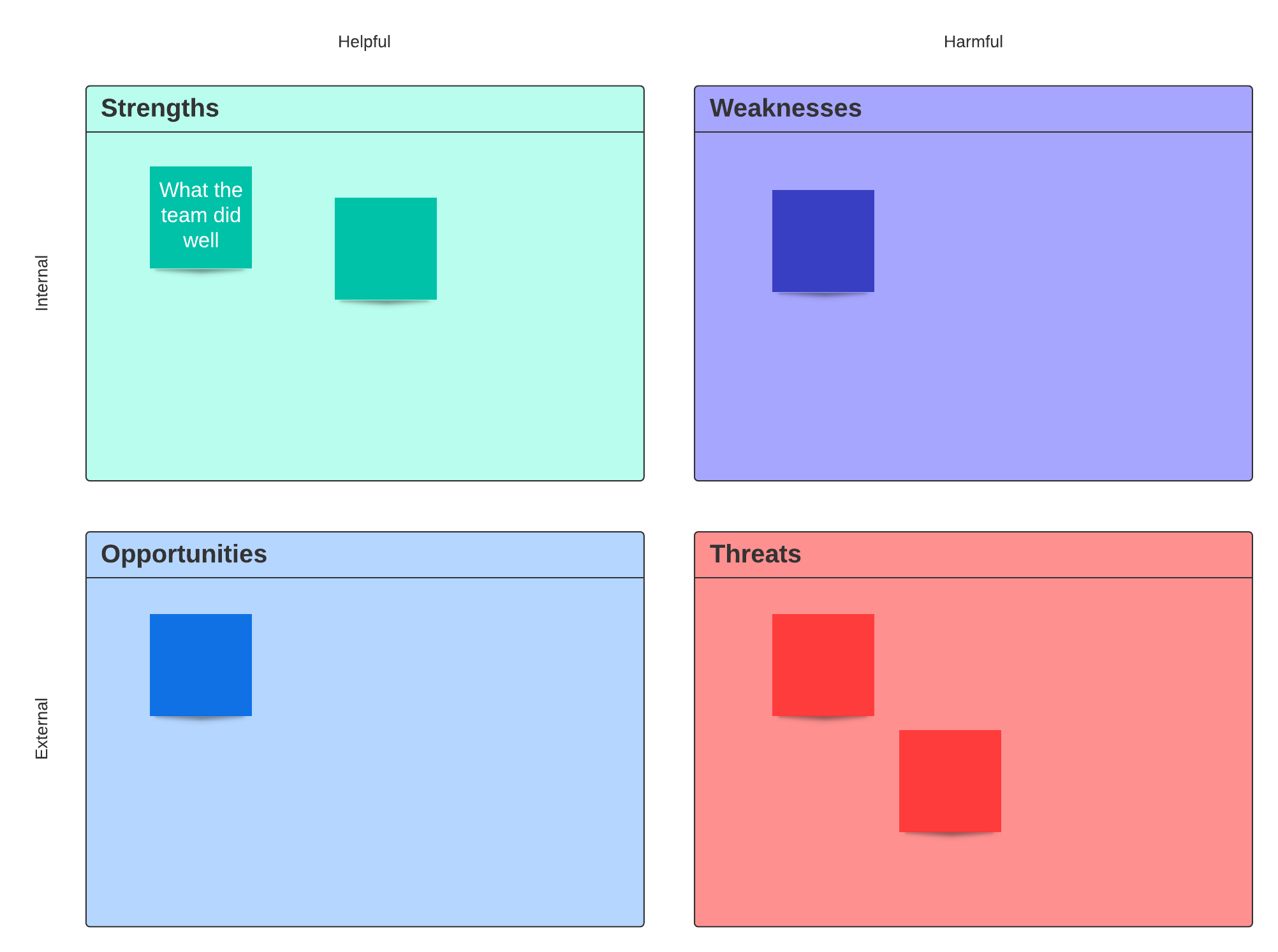
When new competitors arise or consumers explore other alternatives, your organization needs to provide more benefits or superior service to justify its price. Try performing a SWOT analysis to gauge your strengths, weaknesses, opportunities, and threats in relation to the competitive landscape.
2. Top-level resource allocation
Where should your organization focus most of its time, energy, and resources to secure the best ROI? Which tasks or activities should your employees or teams prioritize throughout the week?
Strategic planning helps businesses determine the top-level resource allocation that works best.
Top-level resource allocation is what allows you to make the most of the resources that happen to be at your disposal. So, what are strategies you can use to maximize your assets and capital?
- Determine your project’s scope: Before any resources can be allocated, your strategy must consider if your project is big or small or how long it takes to complete.
- Identify the available resources: Strategic planning will also help determine the number of employees, space, and other resources available (or needed) to proceed.
- Always consider the big picture: No strategy is perfect. Strategic planning also involves constant awareness of resource chanegs and shifting project priorities.
- Put together a contingency plan: Overdependence on human capital and resources can quickly derail any project. A good strategy should offer options for “what if'' scenarios.
Your strategic planning doesn’t just inform where your organization should focus its attention, but where to avoid wasting time, resources, or money. Solid strategies provide a clear set of choices.
3. Specific long-term vision and objectives
A strategy that isn’t working toward a specific vision or objective is nothing more than a wish or aspiration. This is another difference between strategy and tactics.
Every aspect of an integrated strategy must actively contribute toward the long-term vision of your business. And if something doesn’t help your organization reach the objectives outlined in your strategic planning, don’t allow it to take time or resources away from your team.
This is also where strategy, not tactics, helps better communicate your direction to the team. By including forecasting in your strategic planning, objectives become better aligned with strategies, and your tactics will follow.
4. Markets, audiences, and products
Developing a new product or unveiling a never-before-seen service is only one piece of the puzzle. Tactical planning might show your business how to reach an audience and sell them on what you have to offer. But it’s strategic planning that informs who and where that audience is.
This part of the strategy includes market research on trends, competitors, and consumer habits. It also involves the internal and external factors that affect purchase decisions and audience targeting.
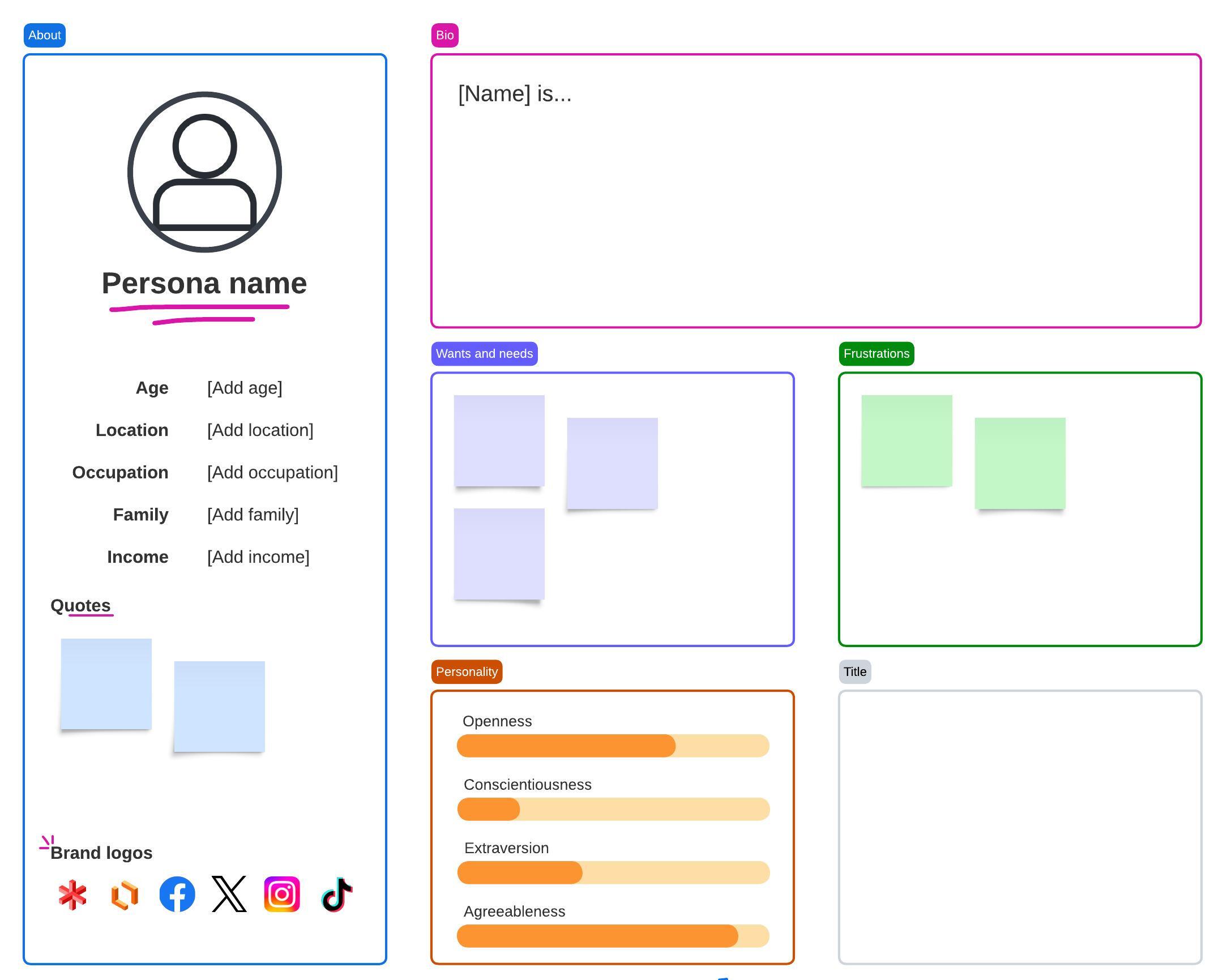
Crafting user personas that examine their pain points and path to a buying decision is also important. These factors combine to show how strategy defines which markets to pursue, which audiences to persuade, and which products to promote.
5. Brand positioning
How will you differentiate your products and services in a competitive market? Where does your brand rank in the collective consciousness of consumers? This is where your brand positioning strategy plays its part, helping people quickly recognize, favor, and connect with your business.
Within the strategic planning playbook, brand positioning is a statement that includes a description of your target audience and how you’d prefer the brand to be perceived by customers.
A brand positioning strategy starts with research, not tactics. Research who your customers are, get an in-depth understanding of their needs and take the time to research how your competitors are positioning and differentiating their own brands from yours.
Strategic planning of your brand story is crucial. It’s through the brand story that customers will know what you believe in as a company and what pain points your product or service resolves. This strategy comes across in the tone of voice and messaging used for print, web, social, and more.
What are tactics?
Okay, so what are tactics? Tactics are the specific activities or actions taken by an organization to fulfill its strategic aims. These actions can be taken as one or a series of tasks. When you compare strategy vs. tactics, you’ll find that tactics are more grounded than strategies with best practices and specific plans.
Tactics should be
-
Clearly tied to your strategy
-
Short-term tasks, activities, or projects
-
Actionable and time-bound
Some organizations may refer to their tactics as strategic initiatives. Driven by purpose, a tactic is completed within a finite timeline and involves activities to finish and impacts to measure. These short-term actions can help a business achieve its larger, strategic goals.
Example of strategy vs. tactics
To better understand the difference between strategy and tactics, let's look at some examples.
Team: Product
Strategy: Improve product performance metrics by 15%, including reliability and scalability.
Tactics:
-
Perform user research to better understand pain points.
-
Conduct user surveys and collect reviews.
-
Adopt a CRM system to manage customer interactions more efficiently.
Team: Marketing
Strategy: Increase email marketing open rates by 5%.
Tactics:
-
A/B test different subject lines.
-
Implement an email automation system.
-
Experiment with email send frequency.
Team: Project Management
Strategy: Improve efficiency in Q4.
Tactics:
-
Assess project management software.
-
Monitor team hours to ensure proper task distribution.
-
Develop backup plans for higher-risk scenarios.
By monitoring and measuring the success of each tactic, you can adjust them as needed to drive your team toward strategic goals.
How to use tactics to carry out your strategy
Tactics are the action items we take in order to successfully implement our strategy. Without tactics, our strategy becomes a far-off idea with no clear path forward. Here are four steps to using tactics to execute your strategy.
- Clearly define your strategy: Brainstorm your strategy with stakeholders to get everyone on the same page.
- Create an action plan: Break down your tactics into smaller, tangible tasks needed to implement your strategy.
- Create OKRs: Assign OKRs to each task and track progress. This makes everything more clear and attainable.
- Implement and test: Implement your plan and create benchmarks to assess how the project is going. Adjust as needed.
How to measure strategy vs. tactics
On their own, the measurements of tactics are not a clear indication of the success (or failure) of an organization’s strategy. It’s the strategy itself and its objectives that inform a company’s KPIs or key performance indicators. Measuring KPIs can help you determine the success of your strategies.
Tactics can be measured in terms of their cost, timeliness, or how well they align with the strategies they were meant to fulfill. When evaluating strategy vs. tactics, always remember they work together as a means for an organization to realize its goals as efficiently as possible.

Ready to take things to the next level? We'll walk you through strategic planning step-by-step.
Get the guide