
Feasibility studies are conducted to answer questions like, “Does the return on investment justify doing this project?” and “Does our organization have everything we need to be successful?” Project stakeholders, company executives, managers, and individual team members may be highly interested in answering these questions.
After the feasibility study, you should know how likely the project is to succeed and what you’ll need to do to ensure success. This post will guide you through the steps of conducting a feasibility study at your own organization.
What is a feasibility study?
A feasibility study uses investigative, planning, analysis, and other techniques across different disciplines, such as project management and accounting, to determine your project’s likelihood of success. Collaborating with your team and internal and external stakeholders, you’ll complete a feasibility study and create a report covering different aspects of the project. With this report, stakeholders can see at-a-glance whether or not the project is practical and wise for your organization.
6 types of feasibility analysis
There are six different elements your feasibility study will analyze:
Technical feasibility
A technical feasibility study assesses the technical resources available to the team or organization for your project. This tells you whether you have the capacity and technical knowledge to meet your project requirements. This includes physical equipment needs as well as human resources (i.e., technical skills needed and labor capacity) to achieve the project goals.
Financial feasibility
A financial feasibility study considers the cost of the project versus its expected benefits or return on investment (ROI), as well as the potential financial risks involved. This helps stakeholders determine if the project is financially viable before allocating resources to it.
Legal feasibility
A legal feasibility study investigates whether any aspect of the project has legal conflicts. For example, zoning laws may prevent a construction project from moving forward in a specific location. This assessment helps organizations avoid costly delays and potential liability for non-compliance or illegal action.
Operational feasibility
An operational feasibility study assesses whether your organization can reliably complete the project. This analysis considers staffing resources, organizational structure and processes, and leadership to understand how well the organization can implement and execute a proposed project.
Market feasibility
A market feasibility study evaluates the current and projected market conditions to understand how a product (or other initiative) will perform. This includes identifying potential markets, identifying market competition, and forecasting sales.
Schedule feasibility
Schedule feasibility assesses how likely a project will be completed within its proposed timeframe. This is a crucial feasibility study because the results will determine whether your project will be successful. The study identifies key constraints on the project that can affect the timeline, including internal and external constraints like regulations, politics, budgets, and technology.
How to do a feasibility study
There are seven steps of a feasibility study.
1. Complete a preliminary analysis
Start with a brief preliminary analysis. This stage starts before your feasibility study officially begins and with what you discover in this step, you’ll prepare the early portion of your feasibility report. This stage requires that you outline both your plans and any potential obstacles.
Outline your plan
Write down general details such as your target audience or market, value proposition, and proposed course of action. This is a description of your project and a short overview of why it matters. This early outlining forms the basis for the next phases of your feasibility study, which in turn supports your project, so it’s worthwhile to take the time to conduct this step.
Outline your obstacles
Are any possible obstacles insurmountable for your organization? In a worst-case scenario, you could discover impossible obstacles that bring your project, and your feasibility study, to a halt. If project failure is inevitable, identifying that potential for failure before your project starts can spare your team pain and frustration later.
Before you get started with the rest of your analysis, take a step back and look over the possible obstacles. If you don’t discover clearly insurmountable obstacles at the beginning, then feel free to proceed.
2. Define the scope of your project
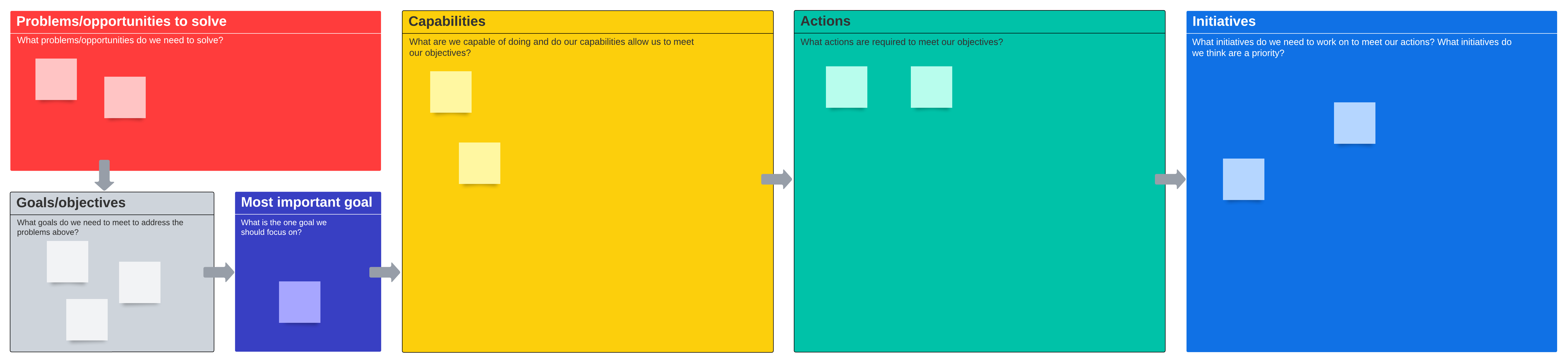
The scope is referenced repeatedly throughout your project, but this scope also includes information specific to your feasibility study. It’s your lodestar that will guide your project while also setting parameters you can evaluate and test during the feasibility study itself.
Earlier, you started outlining your plan and obstacles. Now, you’ll use that information to go in-depth and define your scope.
Generally, a scope contains the following details:
- Objectives: What’s the goal for this project? What business value or customer results are you trying to achieve?
- Deliverables: Does the project have a specific end product? Are multiple deliverables involved?
- Quality: How will quality be measured and ensured?
- Customers: What does the customer want? Are there internal or external customers waiting for this project?
- Schedule: How will the project be completed on time? Are there any milestones involved?
A poorly-defined scope can impact the project’s feasibility, preventing the team from having the details they need for a successful project. If the project is well-defined through a scope that’s accurate and achievable, then your organization may be more likely to achieve success through your project.
3. Conduct market research
Market research provides you with information about your business environment and how outside factors may influence your project. This portion of the study delivers more information about demand, interest in your product, market competitors, and market fit. Without this information, projects may be poorly-targeted or reflect inaccurate information about market needs and conditions.
In your market research, be sure to include:
- Demand and volume: How much your product is needed in the market can impact how easily you’ll be able to sell it, determine how much production capacity or resource use you’ll need, and help you make decisions about distribution.
- Demographics: Even if purchasing your product is a team decision, decision maker demographics may still be important with your research. Job title, educational background, and other typical information can be very relevant to how you design, plan, and distribute your product. (Pro tip: Organize all of this demographic information with a user persona template.)
- Market share: Out of the possible options and alternatives your customers have, how much of the market will your product or service hold? If there are a lot of competitors that are fairly strong in the market, your market share may be smaller. Similarly, a brand-new product, or one displacing an unpopular competitor, may win a larger market share.
Depending on your findings, you can develop a market positioning strategy that places your product in the best possible position whenever you begin marketing and selling it.

4. Assess financial details
The financial and operational details become the core of your project. Since every project ultimately uses resources, you will likely need to prepare a budget and make determinations to help you guide and plan your project. Here are some methods for digging into those critical details.
- Break-even analysis: What does it take to break even and cover the costs of developing, marketing, and selling your product? Consider personnel, research, production, and other costs necessary for a successful launch and sales.
- Potential profitability: At what point does additional revenue become profit? What may interfere with profitability? Is there enough profit?
- Budget or balance sheet: With the financial information you’ve gathered, prepare a budget or opening balance sheet. This should reflect your needs for the entire project.
Based on your financial projections, you should be able to determine how much financial resources your team will need.
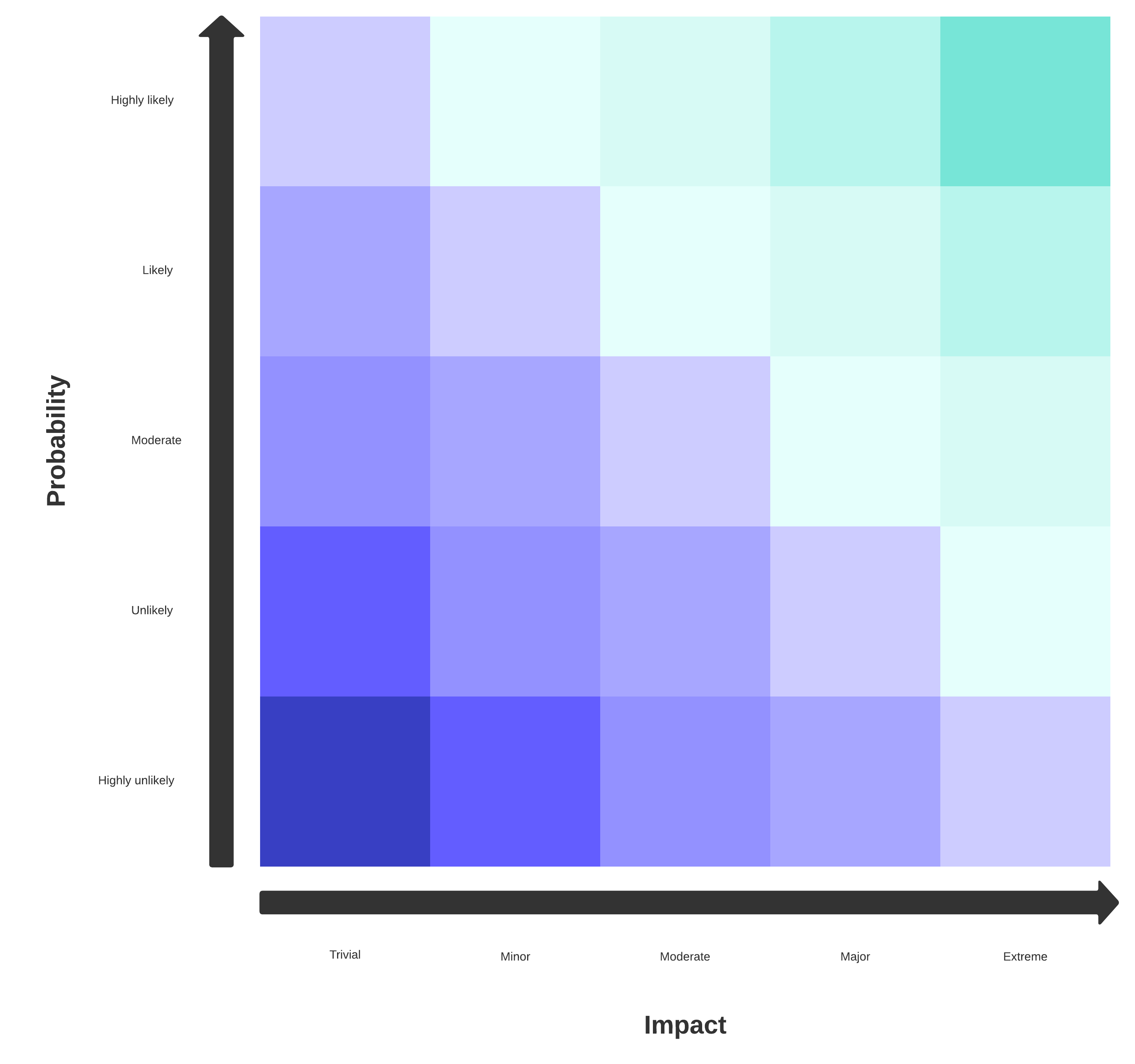
5. Identify potential roadblocks and alternative solutions
What could potentially go wrong with your project? Because you want your project to succeed, finding potential roadblocks early and building solutions ahead of time is essential. Just because an obstacle presents itself doesn’t mean your team can’t find a viable solution to address the problem, but it’s best to begin this discovery process before starting your project.
- Resources: Is it possible that any of the resources your project depends on will become harder to obtain or change in quality or price?
- Team: Do any of your team members have competing priorities such as other projects or time commitments?.
- Schedule: Is the proposed schedule realistic? How flexible is it? Are there potential risks to the project being completed on schedule?
Based on the roadblocks you’ve identified, brainstorm possible solutions. Are the solutions feasible? What happens without the solution?
6. Reassess feasibility study results
At this phase, you’ll review your findings and make sure they are accurate to the best of your available research and knowledge. Check your numbers and make sure your financial assessment is complete. Once you’ve reviewed your results, double-check your analysis. Review your conclusions and prepare for the final decision.
7. Come to a final decision
At this point, your team should have a decent idea of whether or not the project is feasible and practical. Thinking over your findings, consider what your project will deliver if it is successful. Does the potential ROI justify the expense, time, and use of resources? Are the potential obstacles insurmountable? Can your team recover from likely or possible setbacks? Do any risks outweigh the benefits?
Take a holistic look and gather your assessments together into a yes or no decision and then share your findings with your team.
Potential pitfalls with feasibility studies
Feasibility studies are only as effective as their own research, analysis, and conclusions. Being thorough in your study can help you reduce your risks while also ensuring that the potential positive ROI you identified is real and realistic. Striking a balance between conducting your feasibility study quickly and completing it promptly can help you gain the most benefit from your work.
Stakeholders, by sharing their input, can be a positive, negative, or neutral factor in the process and outcome of your feasibility study and your project, so they must be appropriately managed with careful consideration for their goals and objectives.
After your feasibility study
When you complete your feasibility study, you should share the results. Give stakeholders an opportunity to review it and ask questions. Provide supporting information and be prepared to provide details on how you obtained and analyzed your data.
Following your feasibility study, you’ll begin the project itself. Your project manager can shape your team’s project plan from information gathered during the feasibility study and any follow-up data.
With your feasibility study complete, you can rest assured that your project’s risks were evaluated and you’ve developed contingency plans for whatever might happen next.
Ready to run with your project idea? Lucidspark can help bring it to reality!
Learn more
