Key takeaways
- A product launch is a comprehensive, coordinated effort. It involves more than just making the product available. A strong launch is coordinated across multiple teams and begins long before the product is ready.
- Alignment and documentation are crucial. The product launch plan is a central document that coordinates the work and aligns all involved teams around the product's value, release timing, requirements, and company goals.
- Use purpose-built resources to create, share, and collaborate on a product launch plan. These include a virtual whiteboard, product launch plan template, and product roadmap software.
Worldwide, there are approximately half a million brands and more than 2,000 product categories. Regardless of your product, it’s undeniable—you have stiff competition. Sure, it’s possible to take the market by storm and organically create waves. But it’s also improbable without a plan.
A product launch plan can help you generate interest and increase your chances of a successful launch.
What is a product launch?
A product launch involves more than simply making a product available or building a basic website. It should be a planned effort coordinated across multiple teams to introduce new products or features to your target audience.
You should create a product launch plan long before the product is available. It should include everything you need to launch successfully, like market research, product testing, pricing, scheduling, promotional material creation, customer support development, and more.
Who is involved in a product launch?
The people and teams involved in your product launch will depend on your industry and the type of product you're releasing. Generally, you might want to include representatives from:
- Marketing
- Product development
- Product management
- Project management
- Customer support
- Sales
- Finance
Whoever you decide to include in your product launch plan, everyone involved must understand their roles.
The importance of a strong product launch
A product launch is your opportunity to attract customers and advance in a particular market. A practical, well-planned product launch can:
- Attract potential customers.
- Grow your brand.
- Generate interest in your company and other products.
- Improve your company’s reputation.
What is a product launch plan?
A product launch plan is a document to coordinate and align the work necessary for a product’s release. This could include everything that needs to be done by developers, designers, marketers, sales, management, and more.
This document helps every team member better understand the product, its release timing, and its requirements. It also defines what you hope to achieve with the product launch and how it fits company goals.
Creating a solid product launch plan
Because so many different entities are involved in a product launch, it’s important to get everyone on the same page. One unaligned team or individual can hurt the overall product’s success.
As part of your planning, take time to revisit previous projects. Analyze what went well and what needs to be improved, and apply those insights to your plan.
Use a product launch plan template or checklist
The steps to create a product release plan will vary from project to project. You may want to make a checklist or template with common elements to save time and ensure nothing is overlooked.

Use airfocus by Lucid to align everyone around your vision with clear product roadmaps.
Learn moreBegin by identifying the biggest project tasks. Then, break them down further with a checklist or a product launch plan template.
Each item on the checklist should include documentation describing specific tasks, assignments, deadlines, and other essential details. Documenting the entirety of the process organically creates time-saving material to apply to future projects while ensuring that nothing is overlooked.
Identify who your audience is
Research what might make people interested in your brand and products. What type of work do they do? What specific problems do they have that your product could address? What motivates them to make a purchase?
Knowing the answers to these questions can help you design a product that addresses their specific needs. It can also give you a better understanding of how to market your product as the best solution to their problems.
Design and build the product
Based on what you’ve learned about your customer, build a product that meets their needs and satisfies their expectations. Explore what resources are necessary to develop the product and keep up with product demand.
Develop a positioning statement
A positioning statement defines why the product was created, what it does, the target audience, the customer pain points it addresses, what market segment it fits in, and how it differs from similar products.
Pitch your positioning statement to stakeholders to convey the product’s value before moving forward.
Plan your go-to-market strategy
Your go-to-market strategy should include things like a feasible launch date, product branding, packaging, promotional materials and deals, website design, and training for sales and support teams.
Set a goal
How will you quantify the product’s success? Does profit determine success? User base size? Having a specific goal in mind can help you find more effective marketing strategies to build awareness and excitement around your product.
Prepare sales and support teams
Provide ample training to sales teams so they understand the product well enough to sell it to customers. Provide documentation, release notes, and FAQs to relay to customers when they have questions.
Provide resources
A solid set of product documentation (like reference material, installation instructions, or quick start guides) empowers customers to help themselves if they have questions about features or run into problems.
Launch the product
After you’ve completed all the steps outlined in your checklist, it’s go time. But the product launch shouldn’t be the end of the process—consider evaluating how well the plan worked. Did you meet your goals? What went well and what didn’t? Collect feedback to implement in the next project.
How Lucidspark can make it easier to plan a product launch
A successful product launch requires many different people working together toward a common goal. Lucidspark provides tools and templates to design and document your product launch collaboratively.
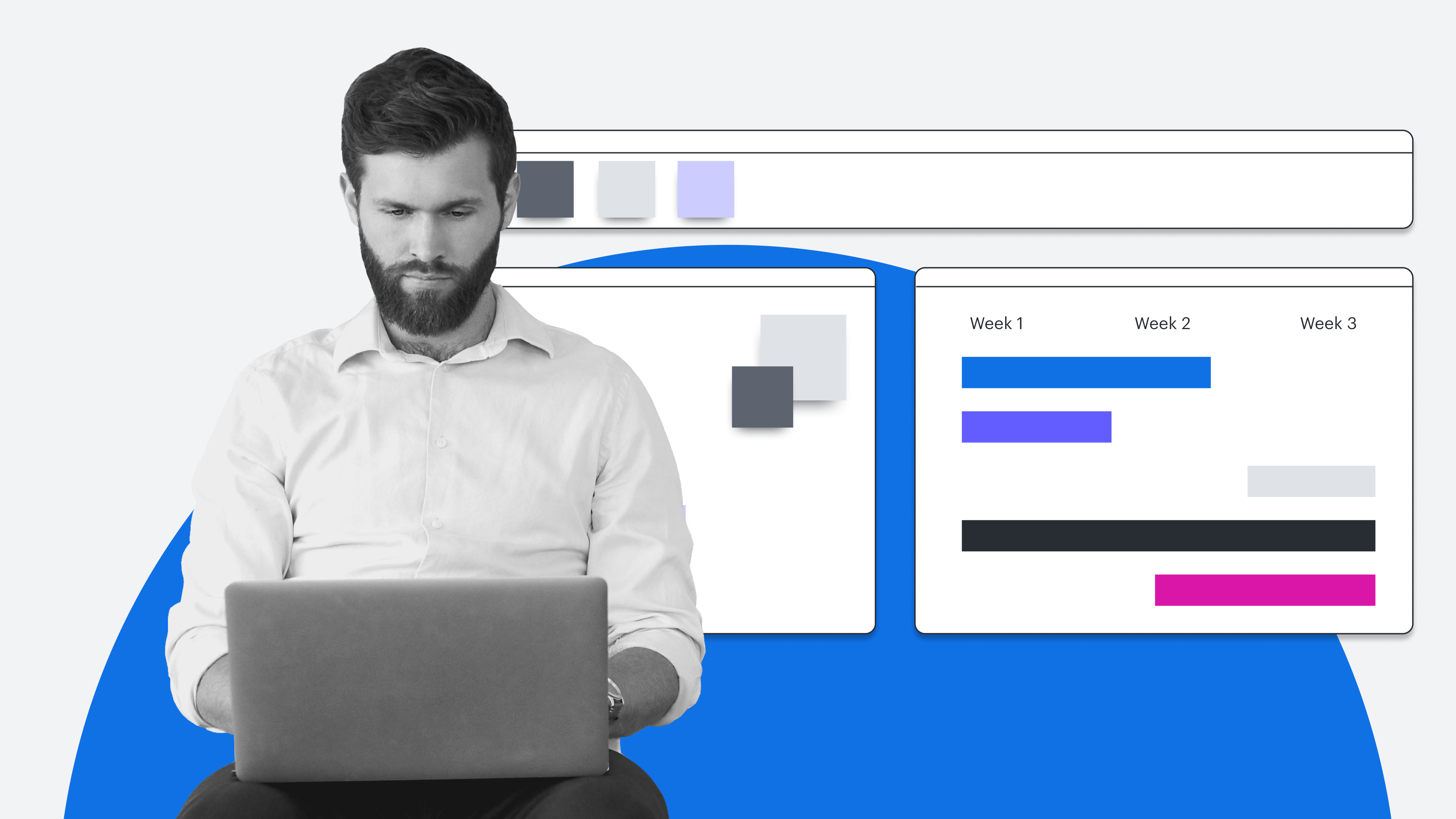
You can use Lucidspark to create Gantt charts, workflows, checklists, dashboards, Kanban boards, and other visual aids that can be accessed from anywhere at any time, no matter where team members work. These cloud-based documents engage your cross-functional teams to ensure that everyone is on the same page as they work toward the product launch.
Pair Lucidspark with airfocus, product roadmap software that allows you to build and generate tailored roadmaps that communicate your vision.

Sign up for Lucidspark and get started planning a perfect product launch.
Go now