
Project management is a lot like finding the love of your life: it’s all about timing. And that timing is important because deadlines are crucial for your success as a project manager. But it’s not just about one single deadline: there are also due dates each step of the way that must be met, otherwise the entire project gets pushed back.
Ultimately, even though they seem easy to meet in the beginning, deadlines can be just as confusing and overwhelming as...well, love. While we can’t make romance any more straightforward, we can help you manage your project deadlines and avoid many of the pitfalls that lead to missed due dates.
Why deadlines are essential to project success
Let’s start with the basics: why do we have deadlines in the first place? They’re not arbitrary dates on a calendar. A smart business produces projects that add to its business value. The fewer projects it’s able to produce, the less the business can grow.
Here are some important things to remember when it comes to deadlines:
Consider market timing: If you’re publishing a book, it’s critical to get that book ready for distribution for the holiday market. Miss that deadline, and it may just very well spell disaster for the book’s success.
The same goes for many products and software: they need to be shipped at a certain time so that they can meet critical points in the market that will determine their success.
Set expectations: If your team feels they have the next decade to get a project done, they’ll spend the next decade working on it. If they feel they have to get it done by next Friday, they’ll hurry up. Deadlines are crucial for helping teams produce work on time.
Set precedent: If you give your team a year to build an app, they’ll expect they have a year to build the next app. Deadlines serve as guidance. They’re the precedents that other projects will be based on.
Keep things in budget: Deadlines are important for keeping projects within budget. Time equals money, so if there’s no deadline for a project, it will keep costing more and more money.
Motivate: Some people need deadlines to perform. In fact, there’s evidence to suggest that many of us simply won’t get things done without a deadline. Deadlines put positive pressure on your team and help their overall performance.
Deadline management is critical to the forward momentum of a business. Each project is the prelude to the next project, so the entire business can’t move forward quickly unless deadlines are proactively being met.
Why deadlines are missed
Now that we’ve made the case for the importance of deadlines, it should be concerning that they’re so often missed. And really, missed deadlines can be disastrous. They can lead to lost public trust in a business, broken teams, and even the collapse of the business itself. No pressure.
Here are some reasons why deadlines are often missed:
Procrastination: If your team struggles with this, they’re not alone. Many brilliant minds are also brilliant procrastinators.
Breaking down projects into smaller steps with their own deadlines is the workaround for this one. That way your team members don’t get to pretend there’s one deadline far off in the future and they’ll be motivated by the smaller deadlines that are fast approaching.
Miscommunication: Another culprit for missed deadlines is the dreaded miscommunication problem. And sure, it’s natural for humans to miscommunicate every once in a while, but there really shouldn’t be any excuse in the project management realm for a miscommunication so large that a deadline is missed.
If everyone is using project management software, there’s no way to miscommunicate: everyone understands exactly what’s due when. Be sure to clarify the project parameters at the start and keep them easily accessible for consultation throughout the project.
Scope creep: If the project keeps ballooning in scope, your team can’t possibly meet the deadlines they initially agreed to. It’s like telling someone to bring cupcakes to a picnic tonight, then changing your mind and asking for a wedding cake instead. Keep the project confined to the initial ask so that your team can get everything delivered on time.
How to meet deadlines
Now that you know the culprits for many missed deadlines, here’s what you can do to help your team meet their deadlines.
Set clear expectations from the start
By the time your team starts working on the project, they should have a completely clear understanding of project details and deliverables. If that’s missing, the project will fail. Clearly outline what’s expected in a project scope at the beginning, and then keep that available for reference throughout the project.
Show the big picture
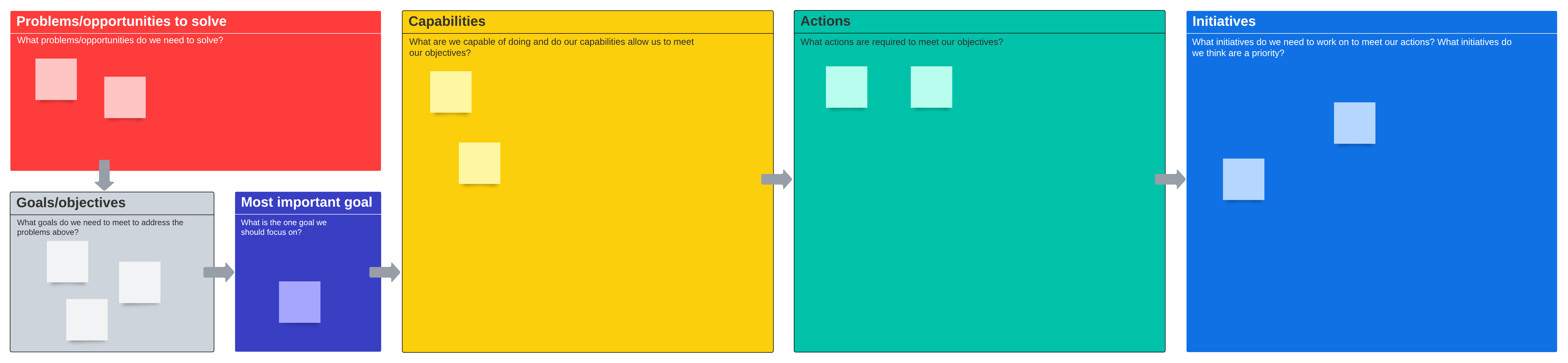
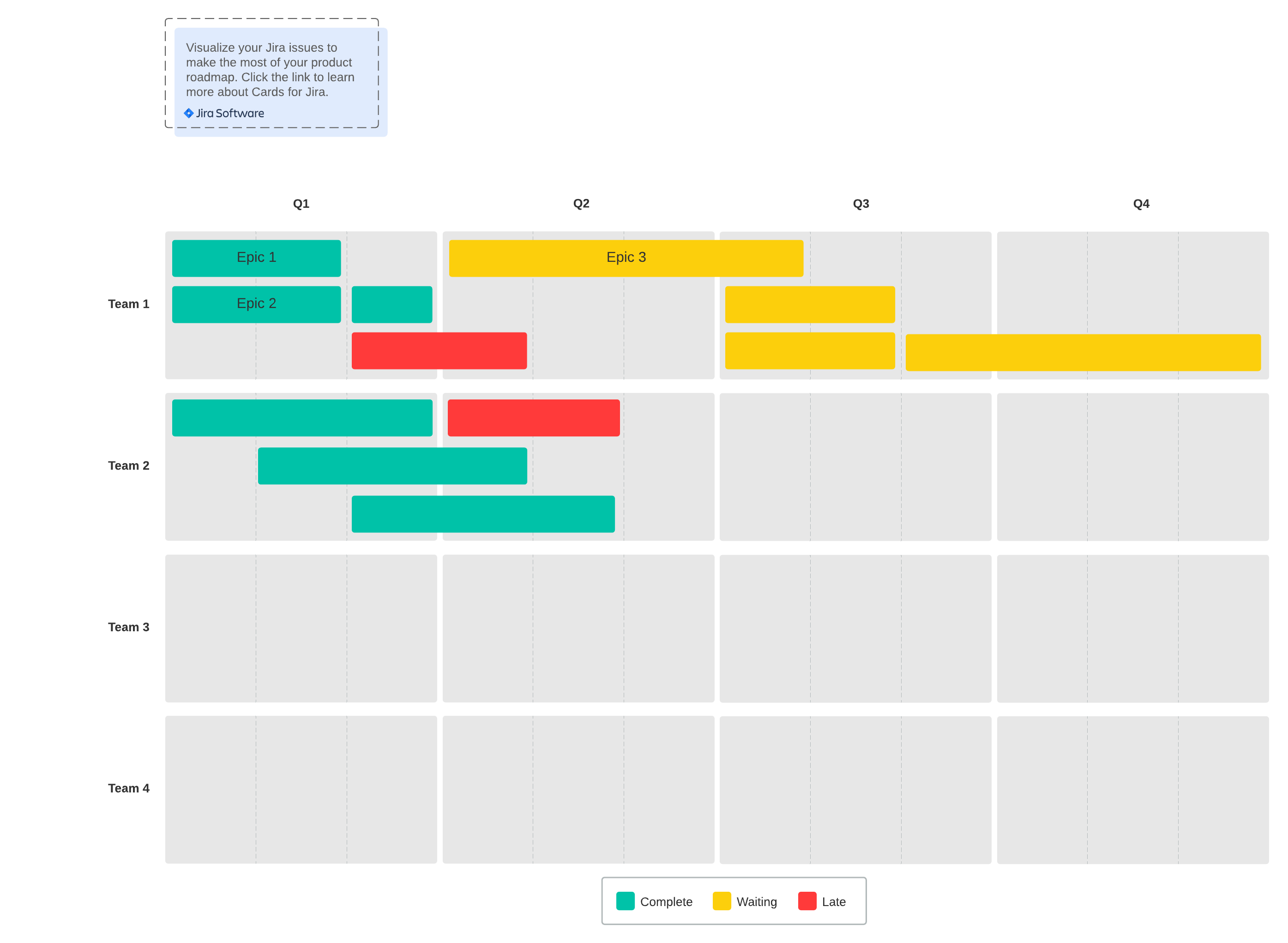
It can be helpful to map out a project and share a visual with your team. Use the following templates to show where each deadline is in relation to the overall deadline:
Make sure information is always available to your team/stakeholders
Once the project is underway, your team members may feel unsure of things that have already been reviewed during meetings. This information should be available for them at all times.
Keep an eye on tasks and issues
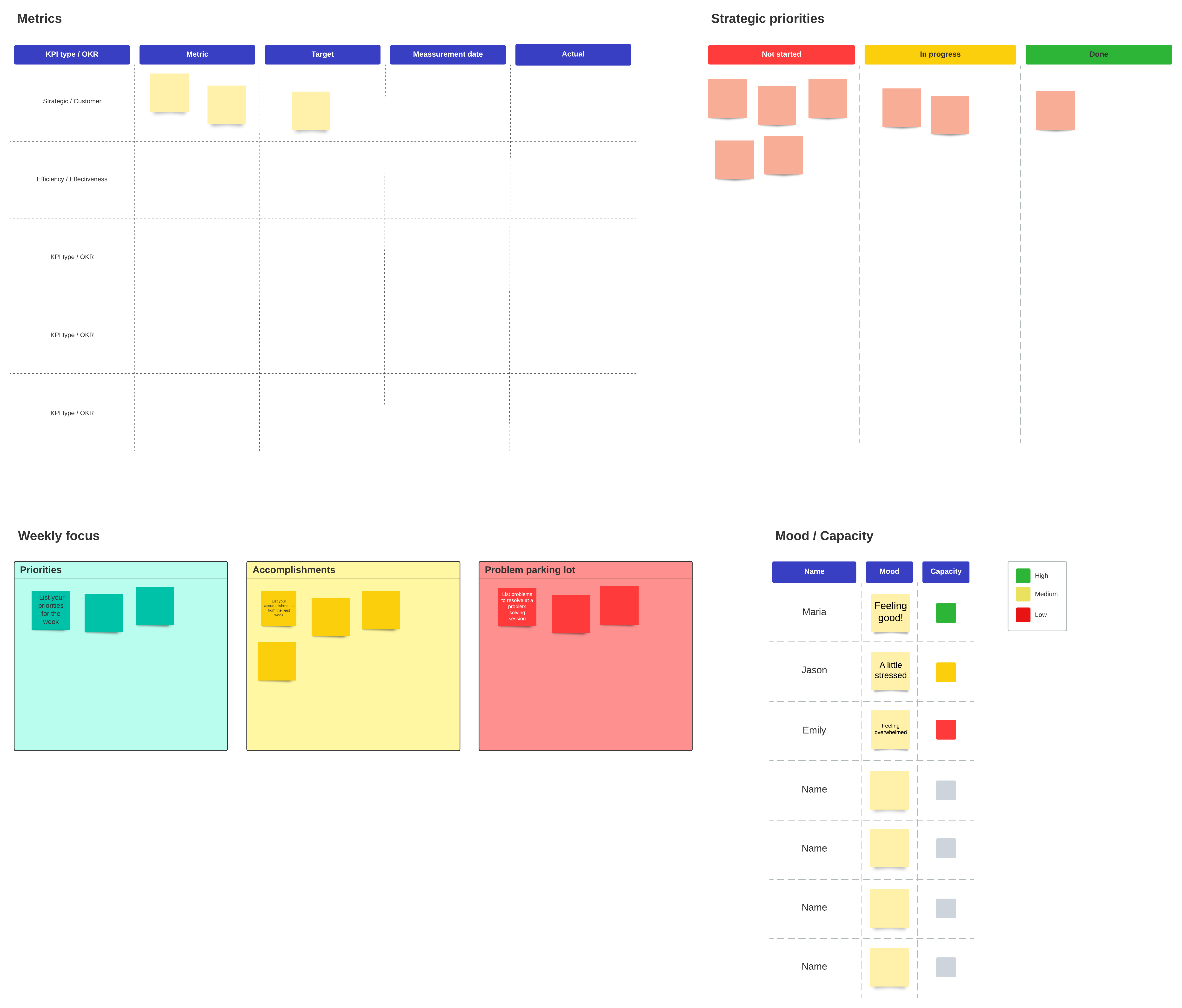
We recommend using a huddle board template to keep track of not only potential roadblocks, but all of your team’s moods. This is also a great way to know what capacity each team member has for troubleshooting or reassigning tasks as needed.
List out all your project tasks and deliverables
Task management software is really critical here (and will alleviate all sorts of headaches). Most importantly, it helps list out the granular parts of a larger project so that you can assign deadlines to each of those smaller tasks. The team has the benefit of knowing that, even though the larger project may seem massive, once it’s been broken down into smaller deliverables, it’s actually quite easy to manage.
Follow up
Just because your team members can communicate with you through your task management software doesn’t mean they will. And sometimes they may be encountering problems they don’t feel comfortable documenting. That’s why it’s important for you to follow up on each task with its assignee.
Make sure the task is clear, make sure the deadline is reasonable, and make sure there aren’t any roadblocks. This touchbase is a great way to make sure nothing unexpected happens between the start of the project and the deadline.
Create standard operating procedures
Imagine if you were an auto manufacturer that used a different process to assemble each car, even though they’re identical. It would waste time and cause undue confusion. That’s not how car manufacturing works: each car is assembled the same way, every time.
Standardizing procedures increases efficiency. By developing standard operating procedures, teams can get better and better at meeting deadlines because issues will get resolved with each iteration.
Can you imagine a world in which you never stress out about meeting a deadline? It’s possible. And it starts with being organized and diligent and using Lucidspark to help.

Never miss a beat with Lucidspark.
Start planning
