Key takeaways
-
Docusign engineers overcame documentation challenges like misalignment and siloed information by using Lucid as a centralized system of record.
-
Using Lucid has resulted in an estimated 70% reduction in time spent documenting and a 30% reduction in meetings for the Docusign engineering team.
-
Docusign engineers use Lucid to rapidly create architecture diagrams via Lucid AI, prioritize backlog items, centralize technical documentation, and more.
-
Lucid helps Docusign engineers capture the current state of their systems and processes to prepare for agentic AI adoption.
As an engineering leader at Docusign, one of my core responsibilities is ensuring that our teams can move fast without losing clarity.
But like many growing engineering organizations, we hit a familiar wall: misalignment, siloed information, and manual documentation.
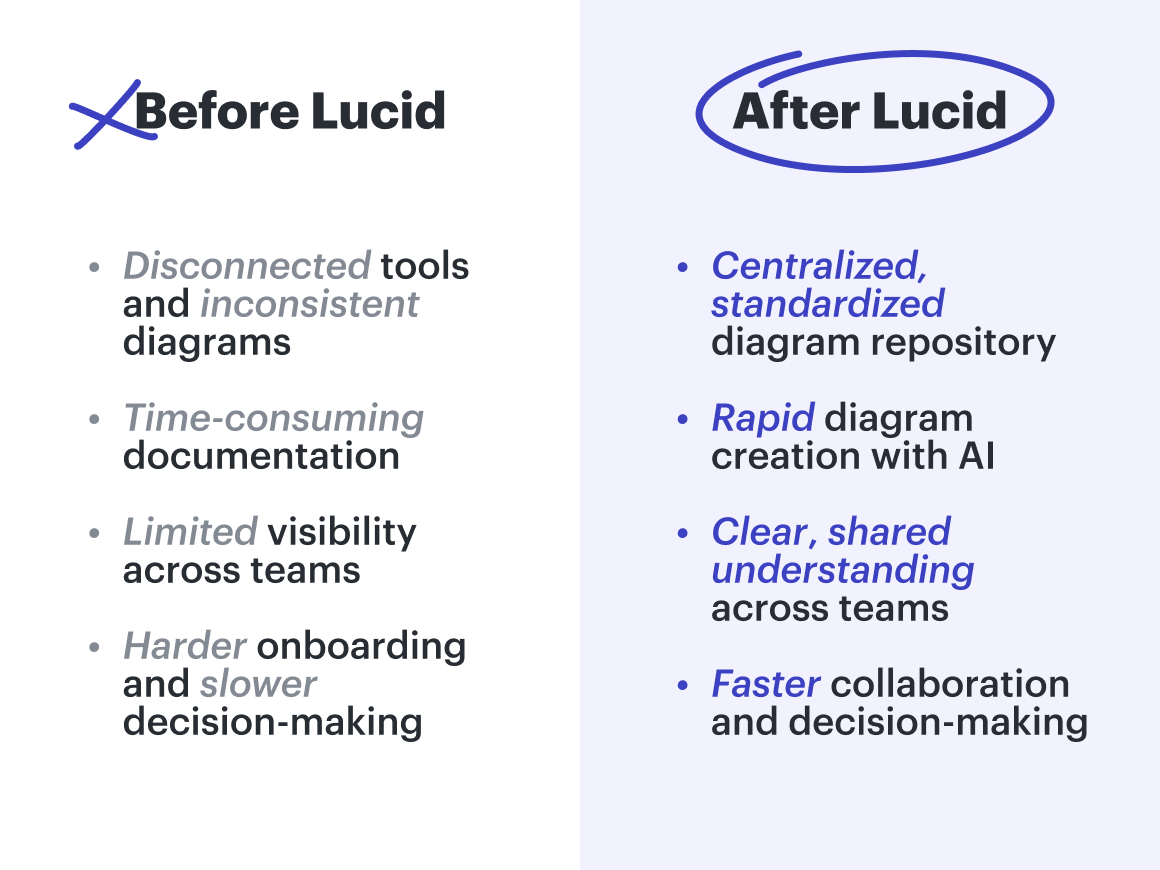
Before adopting Lucid, our architecture and system diagrams were:
-
Scattered across different tools and documents
-
Inconsistent in format and detail
-
Difficult to keep updated or discoverable
Different teams used different approaches, making cross-team collaboration harder than it needed to be. Even simple questions like “What does the current system look like?” or “How does this service interact with others?” often required digging through outdated docs or scheduling time-consuming meetings.
We didn’t just need better diagrams. We needed a shared visual language and a centralized system of record.
That’s where Lucid came in. Lucid has given us the visibility and alignment needed to make informed decisions, act quickly, and prepare for AI adoption.
Lucid’s impact: Faster execution, better alignment, and AI readiness
Since adopting Lucid, we’ve fundamentally changed how we document, communicate, and collaborate as an engineering organization.
Some of the biggest improvements we’ve seen include:
-
Significant time savings: Creating architecture diagrams now takes minutes instead of hours or even days, resulting in an estimated 70% reduction in documentation time.
-
Improved alignment: Teams can quickly understand systems without deep context switching.
-
Centralized knowledge: A single repository for diagrams ensures consistency and accessibility.
-
Stronger cross-functional collaboration: Engineers and non-technical stakeholders now speak the same visual language, resulting in a 30% reduction in meetings needed to keep teams aligned.
But one of the most important (and often overlooked) benefits is that we are now better prepared for AI.
Like most leaders, I’ve been thinking a lot about what our engineering teams at Docusign can do now to get ready for AI implementation. Documenting the current state of our systems—data flows, service interactions, and dependencies—is one of the most important steps we can take as we think about integrating AI into our workflows.
AI agents, much like our engineers, need context and clarity to make decisions and act independently. Lucid helps us create and maintain that context at scale.
How Docusign’s engineering team uses Lucid
Lucid is pivotal to increasing alignment for teams across Docusign. Here’s how our engineering team, in particular, uses Lucid to gain clarity and scale innovation.
Rapidly create architecture diagrams with Lucid AI
One of the most powerful capabilities for our engineering team has been Lucid AI.
Instead of creating documentation from scratch, we use Lucid AI to:
-
Generate initial architecture diagrams from prompts.
-
Quickly iterate on system designs.
-
Explore multiple approaches in minutes.
This powerful capability has dramatically reduced the time it takes to go from idea to design to discussion.
Lucid AI has also lowered the barrier for participation. Engineers don’t need to be diagramming experts to contribute. Instead, they can simply upload a requirements doc or describe the diagram they need to Lucid AI as if talking to a coworker, and Lucid AI automatically generates a polished diagram.
An example of using Lucid AI to generate a highly detailed architecture diagram from a PDF.
Build a centralized repository with team hubs
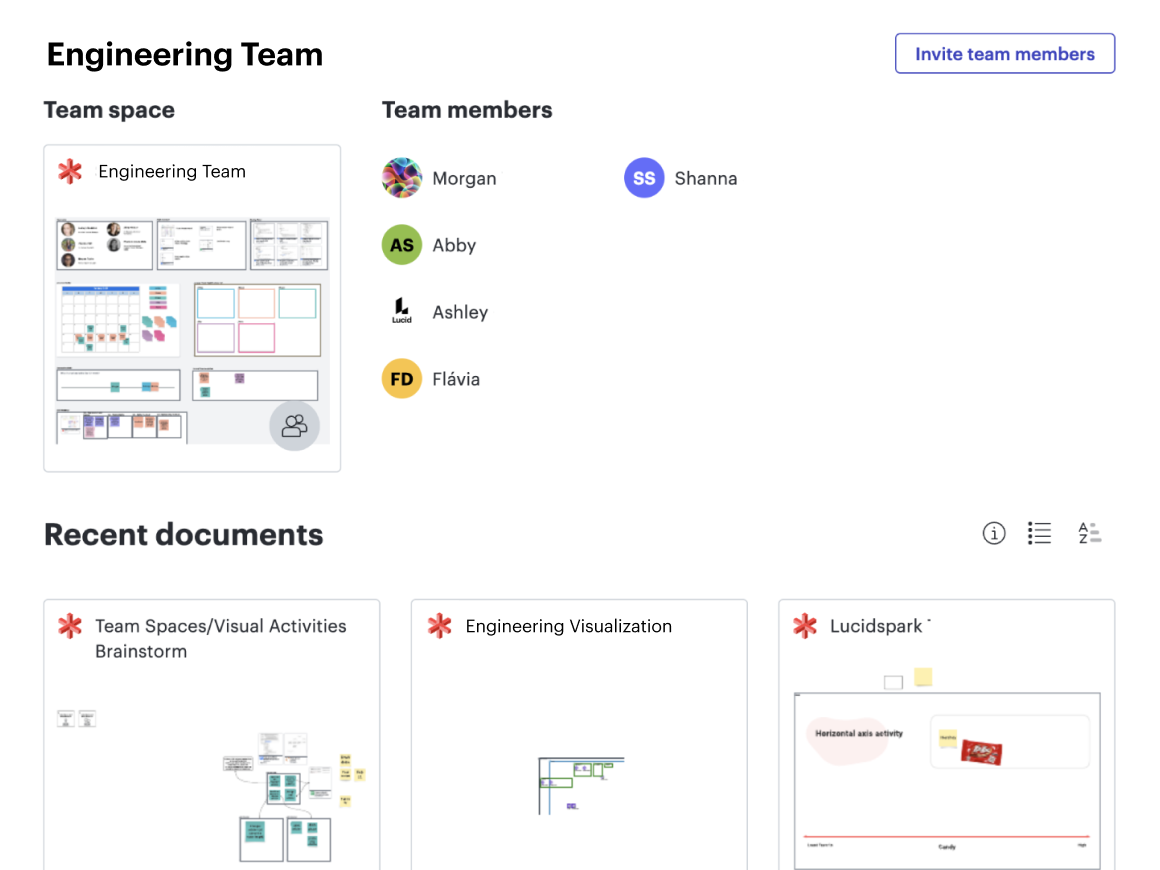
One of our engineering team’s greatest challenges was not only creating documentation but also finding and sharing it. Before Lucid, our diagrams lived everywhere.
Now, with team hubs in Lucid, we’ve created a centralized, organized repository where:
-
Architecture diagrams are easy to find and reuse.
-
Teams can maintain consistent structure and standards.
-
New engineers can onboard faster with clear system visibility.
Lucid has become our single source of truth for technical diagrams, so we no longer waste time searching for or recreating documentation.
Improve collaboration with Visual Activities and real-time feedback
Lucid isn’t just a diagramming tool for us. It’s a collaboration platform where we come together to solve problems, share ideas, and plan work.
Some of the collaboration features we use the most include:
-
Sticky notes and comments for brainstorming architecture changes
-
@mentions to tag teammates in specific areas for asynchronous feedback
-
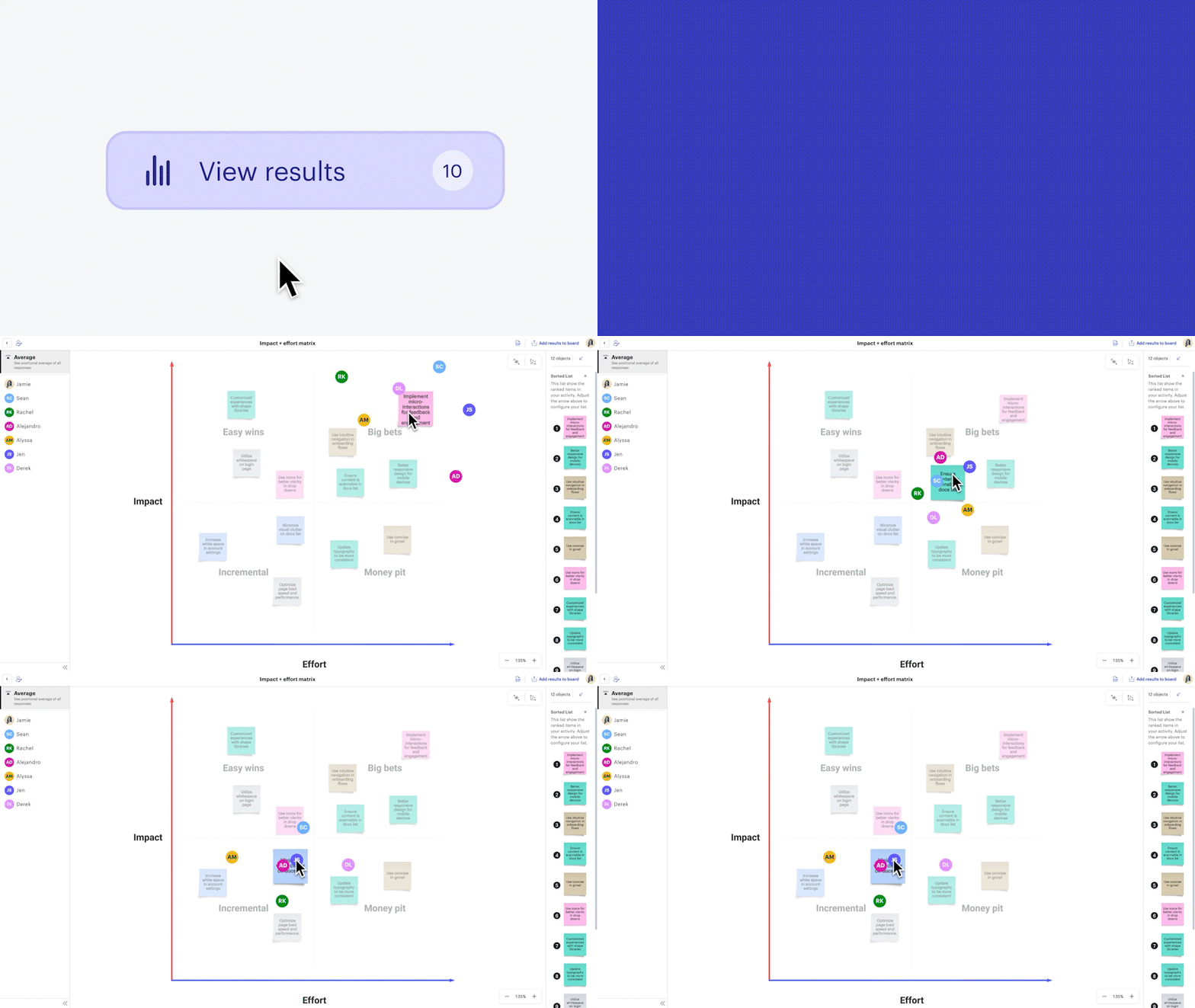
Visual Activities to prioritize ideas, capture everyone’s ideas, and make decisions faster in meetings
Instead of long meetings with abstract discussions, we now collaborate visually and make decisions more efficiently. A great example of this is our sprint retrospectives and backlog prioritization. Instead of just talking about what went wrong or what to build next, the team uses Visual Activities to rank technical debt items or prioritize feature requests asynchronously before the meeting even starts. By the time we meet, the data is already aggregated, and we can make decisions instantly.
Make diagrams actionable with integrations
Of course, our engineering team relies on other, structured tools to work effectively, so it’s important that we can streamline work through integrations. Lucid integrates with many of our most-used tools, helping us connect diagrams to real work.
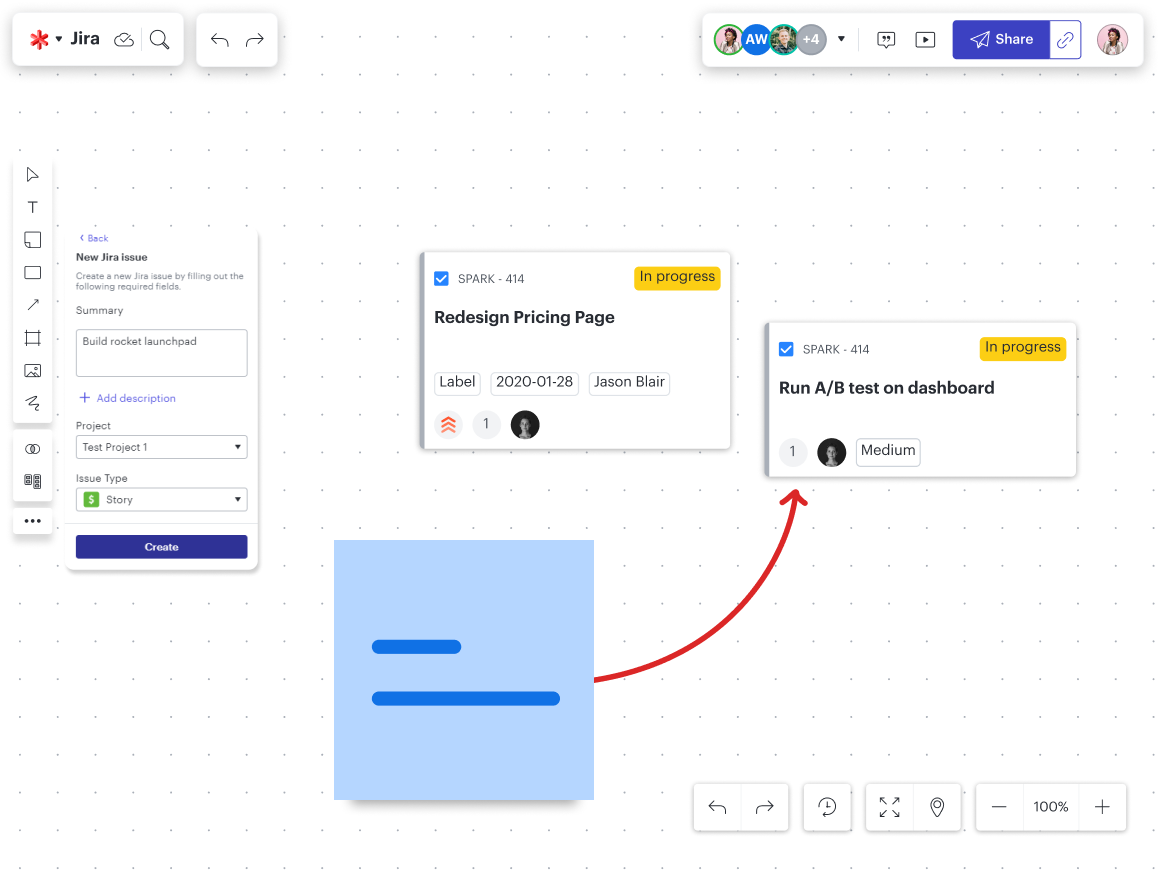
For example, using Lucid’s integration with Jira, we can import all project tasks directly into Lucid. Here, we can map out tasks on timelines, visualize dependencies, and collaboratively update our plan on Lucid’s flexible canvas.
We can also link specific architecture components in our Lucid diagrams directly to Jira epics or stories. This means anyone viewing a system diagram can click on a service and immediately see the associated Jira workflow and active tickets. Because data syncs bi-directionally between both platforms, we can be confident that the team is always aligned and working from the most up-to-date plan, reducing the gap between planning and execution.
Communicate complex systems to non-technical stakeholders
One of the biggest wins for Docusign’s engineering team has been improved communication with teams outside engineering.
With Lucid:
-
We can simplify and present complex systems visually.
-
Stakeholders can quickly understand tradeoffs and decisions.
-
Alignment happens faster without deep technical explanations.
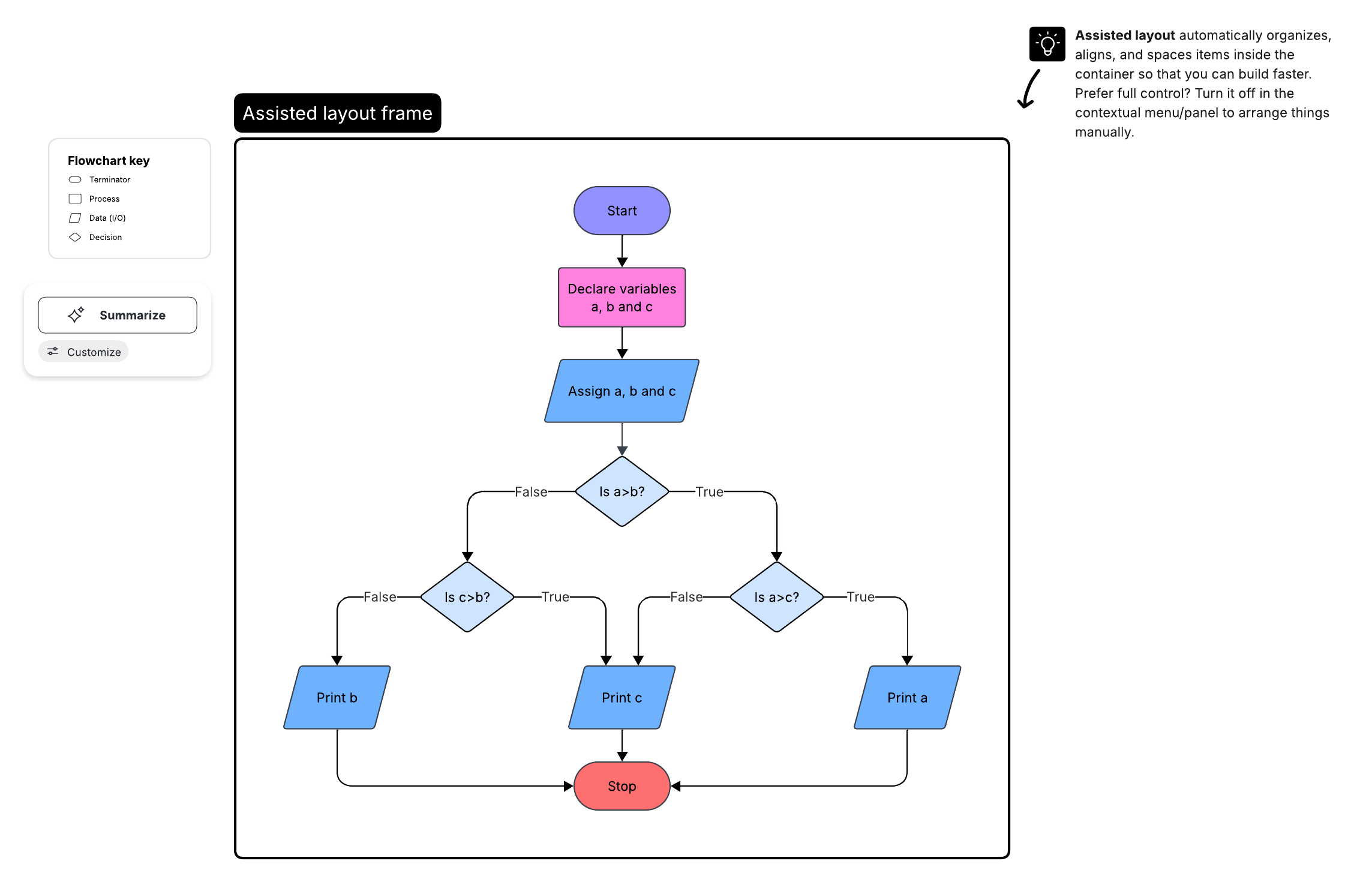
In many cases, we don’t even need a meeting to keep non-technical stakeholders in the loop, and visuals in Lucid convey ideas much faster than Slack or email. This alignment has been especially valuable when working with product, leadership, and cross-functional teams.
For example, when scoping new features with product managers, instead of trying to explain backend constraints, API limitations, or tech debt over a long Slack thread, we share a simplified system flow in Lucid. The board's visual nature makes the “why” behind our engineering estimates instantly clear to product managers, saving us from scheduling an hour-long sync.
Accelerating work and preparing for AI transformation
Lucid has become an essential part of how our engineering team operates at Docusign. Since adopting Lucid, our team generates diagrams, finds documentation, and reaches alignment faster than ever before.
As we look toward the future and plan for AI transformation, one thing is clear: AI is only as effective as the context it has access to.
To successfully integrate AI into engineering workflows, organizations need:
-
Clear process maps
-
Accurate system diagrams
-
Well-documented data flows
-
Visibility into current and future state architectures
Lucid helps us build and maintain that foundation. By documenting how our systems work today, we’re making it significantly easier to identify the most impactful automation opportunities, enabling us to confidently integrate AI into workflows.
As engineering teams continue to scale and AI becomes more embedded in how we build, having a clear, visual understanding of systems is non-negotiable, and Lucid helps us get there.
Read more engineering examples
See how 12 different engineering teams at leading organizations are using Lucid to standardize processes, increase alignment, and save time and money.
Read more