
Imagine visiting a library in the 1950s. First, you’d need to look up your book in the card catalog, a massive set of drawers containing information on index cards about every book in the library. Then you’d have to locate the book in the stacks using the Dewey Decimal system. To check your book out, you’d present your library card to the librarian, who would stamp a card on the inside of your book with the due date.
While the manual organization of libraries worked for decades, it left a lot to be desired. And that’s really the story of many businesses before they adopted digital transformation, opens in a new tab: they’re just operating, not thriving. But it’s also the story of many businesses who have attempted digital transformation and been mired in digital transformation challenges.
It’s crucial to modernize your business, but it’s also important to realize that digital transformation doesn’t happen overnight and doesn’t often have an end: it’s a constant process.
Let’s dive in and discuss a digital transformation strategy that continuously adapts to market changes and can adopt new technology.
What is stalling your digital transformation?
There are many factors that may have impeded your digital transformation so far. Here are some common issues:
1. You assumed it was just a matter of implementing technology
Digital transformation needs to include a cultural shift as well. Consider the library example above. When libraries first began getting rid of card catalogs, there was an uproar by many librarians: card catalogs were sacred, and they weren’t about to let them go.
You may have a great digital transformation strategy, but unless everyone actually adopts the new solutions, it’s going to be dead in the water.
What to do: Digital transformation needs to come from those highest in the organization. If a C-level insists on the transformation, more people are more likely to embrace the new ways of doing things.
2. Your team lacks the skills
Change is difficult. It’s scary to incorporate new technology, and your staff may be reluctant to adopt it if they’re having difficulty learning the new ways of doing things.
What to do: Be gentle, be patient, and provide lots of training. Don’t assume that one training will mean everyone has the hang of things. You may need to take a hands-on approach, walking each team member through the new technology.
Also, plans for things to slow down dramatically as your team gets the hang of new processes. You may need to outsource things to keep up or hire contractors to help with the workload.
3. You tried to do everything at once
Maybe you got excited and tried to implement digital transformation across your entire organization. Now you’ve got broken processes, frustrated team members, and all sorts of expensive subscriptions and high cloud costs.
What to do: Utilize a digital transformation framework. Start with the most important and most impactful components of your business, then gradually move to larger, more widespread initiatives.
If, for instance, you’re attempting to move everything to the cloud, don’t attempt to move all your apps to the cloud overnight. Move the most important application, make sure it’s fully integrated and working flawlessly, then move on.
Transformation doesn’t mean fast. It is often slow, deliberate.
4. You’ve let small losses undermine your digital transformation strategy
If you listened to the advice above and started small, you have a better chance at not letting struggles thwart your larger digital transformation strategy. However, you may still face difficulty scaling.
What to do: Focus on small wins, while investigating what hindered your scaling efforts. Was it a specific department? Did your leadership fail to advocate for the digital transformation across the business? Now compare that with the wins and analyze them. Once you understand what went right and what went wrong, you can address those issues and continue to scale.
5. You have no idea why you’re doing a digital transformation
It may seem common sense, but many businesses begin their digital transformation just because they feel like they should. Without having a goal in place, there’s no way of measuring success.
What to do: Before you begin, articulate what you want to get out of your digital transformation. Get buy-in from stakeholders. Share your goals across the organization so everyone understands what priorities and why you are undertaking this big change.
How to avoid stalling your digital transformation
Now that we’ve discussed how to fix common errors, it’s time to talk about strategies for avoiding stalling in the first place.
Establish a clear vision by mapping out strengths, weaknesses, etc
This is closely linked to having a clear reason for your digital transformation. Your vision should be a clear and unbiased analysis of current business practices and technologies. It should then articulate what you want the outcome of the digital transformation to look like.

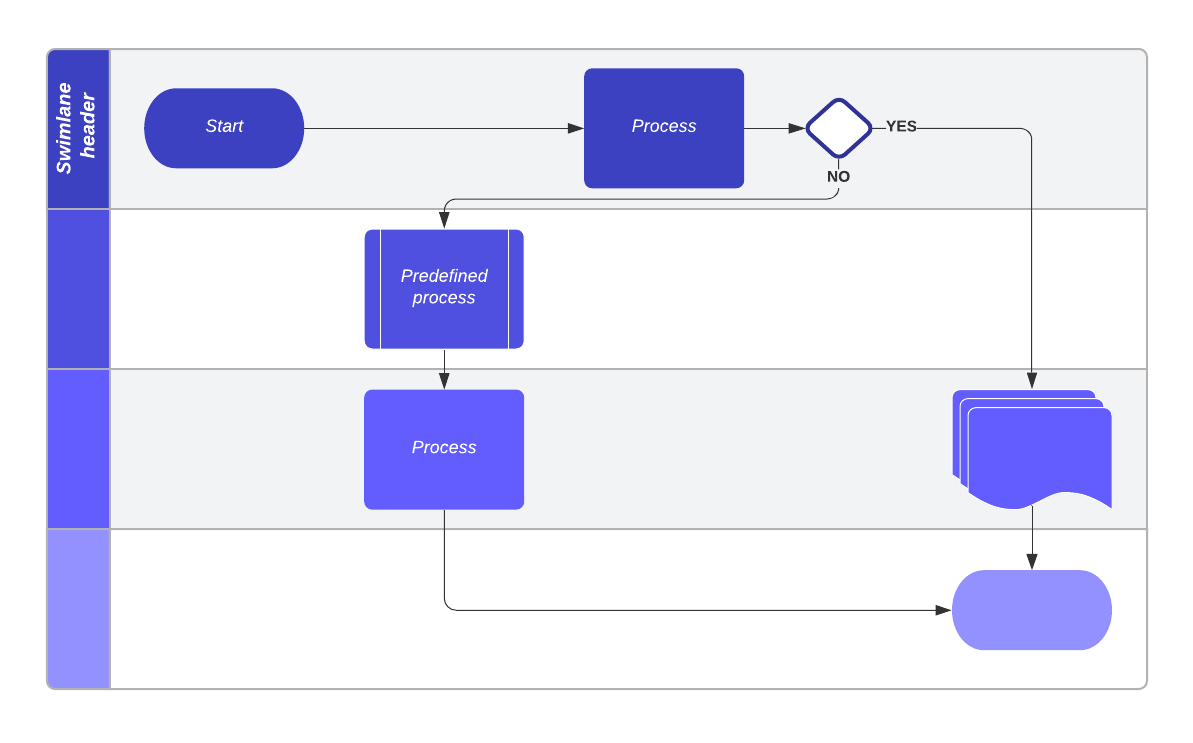
Share a visualization of your current state and future state mapping with everyone throughout the organization.
Transformation should benefit the business
Different people and teams will have different goals for digital transformation. But your motivator for undergoing this massive undertaking shouldn’t be to fulfill one person’s wishes. Rather, it should serve the ultimate vision of the business. Additionally, It shouldn’t just solve technological issues, but rather serve efficiency, culture, and quality.
Be prepared for passive resistance
It’s easy to get into the routine of a job. That’s when you start feeling like you are performing best because you know what to do. Digital transformation places teams in potentially uncomfortable circumstances.
You’re asking them to move away from what they know how to do—and are likely good at—to something that makes them feel vulnerable and unskilled. And so, even after attending meetings and agreeing to the digital transformation, you may still encounter people who simply don’t make the change and that can be frustrating.
In this situation, you’ll need to go from talking to a larger team to a smaller one. The more personal the digital transformation feels, the more likely individual team members will feel like they have ownership of it.
You can also head off passive resistance by discussing it and talking about what the outcome will be if nothing changes or if the digital transformation fails. What will it mean for the long-term success of the business? How will it take a toll on teams? This is a great time to ask every person to take personal accountability for their individual adoption of the new transformation.
Digital transformation is a necessary evolution of modern business. It helps businesses remain competitive while meeting customers’ needs. And it’s a huge undertaking that requires the work of every individual within an organization, but the end result is worth it.
Proper digital transformation requires some forethought before diving in. When you have a clear goal in mind, have a clear strategy to get there, and have buy-in from stakeholders across your organization, your digital transformation is likely to avoid stalling and achieve success.

Get tips and templates to guide you through any business transformation.
Go now
